3D Food Printing Creates Customizable Candy Shapes and Personalized Confections
Personalization in the world of confectionery is reaching new heights with the advent of 3D food printing technology. You can now design and create unique candy

This article contains Amazon affiliate links. As an Amazon Associate, CandiesAndSweets earns from qualifying purchases.
 Save
Save
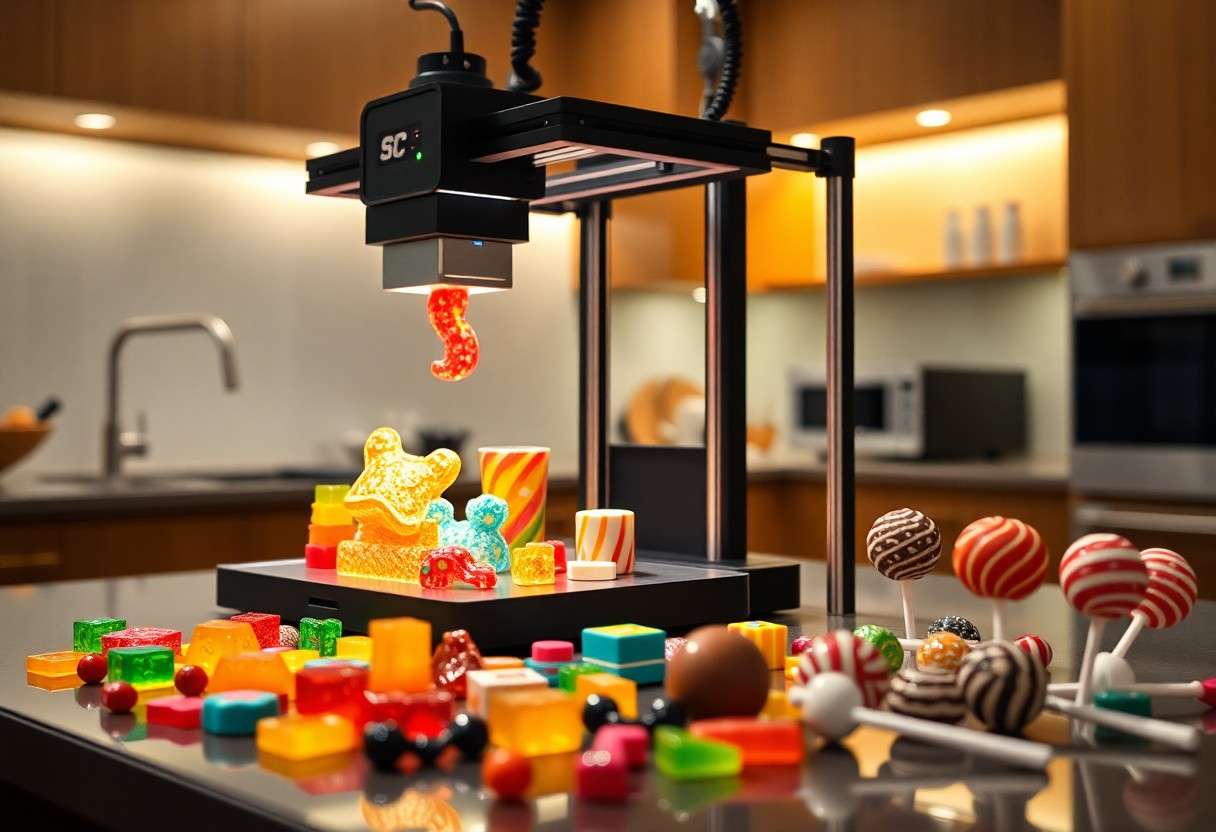
Personalization in the world of confectionery is reaching new heights with the advent of 3D food printing technology. You can now design and create unique candy shapes that reflect your individual taste and style, allowing for an unprecedented level of customization in sweets. This innovative approach not only enhances the aesthetic appeal of your confections but also offers the opportunity to experiment with flavors and ingredients tailored to your preferences. Explore how 3D food printing is revolutionizing the candy-making process and making personalized treats a delightful reality.
Overview of 3D Food Printing
3D food printing transforms the culinary landscape by allowing you to create edible structures layer by layer using a digital model. This innovative technology employs a variety of materials, including chocolates, pastes, and even doughs, to produce customized shapes and complex designs that were previously difficult or impossible to achieve. With advancements in software and hardware, you can manipulate textures and flavors, resulting in creations tailored to personal preferences and dietary needs.
Technology Behind 3D Printing
At the heart of 3D food printing is the additive manufacturing process, which builds objects from the ground up using a digital blueprint. The printer deposits layers of food material according to the specifications of a 3D model, often created through CAD software. Food-grade extruders and nozzles carefully control the flow of materials, ensuring precision in each layer. Many printers also incorporate heating elements, which can melt ingredients like chocolate or cheese for optimal texture and taste.
This technology operates on various methods, including FDM (Fused Deposition Modeling) and SLA (Stereolithography), adapted specifically for food products. FDM involves melting and extruding materials, while SLA uses ultraviolet light to cure liquid resins into solid forms. By leveraging these technologies, you can experiment with various ingredients and design intricate edible artworks that cater to personal styles and preferences.
Applications in the Food Industry
3D food printing presents numerous applications in the culinary world, catering to everything from personal dining experiences to large-scale food production. In restaurants, chefs use this technology to enhance presentation and create unique dishes that captivate diners’ imaginations. Events such as weddings or corporate functions can feature personalized confections, allowing guests to enjoy custom flavors and shapes that reflect their tastes. Companies are also exploring ways to integrate 3D printed foods into nutrition programs, offering customized meal options with specific dietary requirements.
Moreover, food manufacturers are harnessing 3D printing for rapid prototyping of new products, streamlining the development process. This technology enables you to test various flavors and textures before committing to mass production, significantly reducing time-to-market. With the potential to create food with intricate designs or specialized nutritional profiles, 3D food printing stands poised to revolutionize your culinary experiences, enhancing both creativity and personalization in dining.
Customizable Candy Shapes
Design Flexibility
With 3D food printing, the possibilities for candy design are virtually limitless. You can create shapes that are tailored to fit specific themes, events, or personal preferences. This technology allows you to move beyond traditional molds, offering the opportunity to design intricate patterns and highly detailed decorations that would be difficult to achieve through conventional methods. Whether you envision candy sculptures for a wedding or whimsical designs for a child’s birthday party, 3D printing can bring your vision to life.
The software used for 3D printing often includes user-friendly interfaces, which enable you to easily manipulate shapes, sizes, and colors. This flexibility means you can adjust designs on the fly to meet your specifications. If you decide at the last minute that you want a larger version of your candy creation or a change in color, the design can be modified with just a few clicks. You retain complete control over the design process, allowing for a truly bespoke confectionery experience.
Consumer Preferences
Shifting consumer preferences have increasingly favored personalized products, and customizable candy shapes are no exception. Studies demonstrate that nearly 70% of consumers prefer products that can be tailored to their individual tastes. Instead of settling for mass-produced sweets, you can enjoy the freedom of selecting ingredients, flavors, and designs that resonate with your personal style or dietary restrictions. This trend reflects a broader movement toward individualism in consumer choices, emphasizing the value of unique and meaningful experiences.
Incorporating feedback from taste tests and consumer surveys can guide your design choices. Many consumers express a desire for healthier alternatives, leading to the development of options that feature natural sweeteners or are free from common allergens. Utilizing such insights not only enhances the appeal of your candy but also ensures that it aligns with current dietary trends and customer expectations.
Personalization of Confections
Tailoring Taste and Ingredients
With 3D food printing, you can customize not only shapes but also flavors and ingredients in your confections. Imagine a candy that caters to your specific dietary preferences or restrictions. For instance, if you prefer vegan or sugar-free options, you can select ingredients that align with those choices. This innovation allows for an extraordinary range of flavors; you can experiment with ingredients like matcha, chili, or exotic fruits, tailoring each batch to match your taste profile. Personalized candy can even incorporate functional ingredients, such as protein for muscle recovery or probiotics for gut health, making your treats not just delicious but also nutritious.
This level of customization extends to dietary trends that are growing in popularity. In recent surveys, a significant percentage of consumers expressed interest in foods that cater to specific health needs or flavor preferences. By utilizing 3D food printers, you can create unique recipes and formulations that resonate with those consumer demands, ensuring that every candy you produce caters to the individual desires of your audience, whether for events or personal enjoyment.
Unique Messaging and Themes
Crafting candy also means you can deliver unique messaging and themes that resonate on a personal level. Imagine a birthday celebration where each guest receives a candy shaped like their favorite animal or featuring a phrase that embodies your friendship. This ability to incorporate text and imagery into your designs means that you can commemorate special occasions with edible mementos that evoke nostalgia or happiness. Custom messages can enhance marketing for events, creating memorable promotional items or souvenirs that customers will cherish.
Celebrations, holidays, and even branding opportunities benefit immensely from personalized confections. Companies can produce promotional candies displaying their logos or messages, effectively marrying marketing with edible art. By choosing themes that align with your brand’s identity or the occasion, you make each experience distinct. Personalized treats make great conversation starters and can foster a deeper emotional connection with your audience, encouraging repeat engagement and loyalty to your brand.
Engaging with unique messaging not only adds a personal touch but also makes your candy stand out in a crowded market. Imagine utilizing 3D food printing to showcase an intricate design that tells a story or reflects a particular theme, elevating your confections from mere treats to meaningful tokens that resonate with recipients long after the last bite.
Benefits of 3D Printed Candy
Sustainability Considerations
3D printed candy plays a significant role in promoting sustainability within the confectionery industry. Traditional candy production often involves extensive resource consumption and waste generation, particularly with excess raw materials and packaging. With 3D printing, you can efficiently use only the ingredients needed for your vibrant creations, reducing the overall environmental footprint. Innovations in sustainable materials, such as biodegradable or more eco-friendly alternatives, further enhance the sustainability profile of 3D-printed confections.
In addition, localized production means that you can create your candies closer to your consumer base. This reduces transportation emissions and energy costs associated with shipping finished products, ultimately contributing to a greener supply chain. Such practices not only resonate with eco-conscious consumers but also align your brand with forward-thinking sustainability goals.
Reducing Food Waste
Reducing food waste is a notable advantage of 3D printed candy, addressing a pressing issue in global food systems. By utilizing specific amounts of ingredients tailored to individual designs, you can minimize the leftover material that typically results from traditional manufacturing processes. This precision manufacturing is particularly beneficial in an industry that often faces challenges in managing excess inventory. By incorporating your customization into the production process, you help ensure that candy is made only when there’s a demand, leading to less spoilage and waste.
Significantly, 3D printing technology allows you to repurpose ingredients that may not meet retail standards but remain perfectly edible. This means that you can experiment with unusual flavors or textures without the fear of generating surplus products. Using up these “imperfect” ingredients in your candy creations promotes a more sustainable and responsible approach to food production.
Challenges and Limitations
Technical Constraints
Creating customizable candy with 3D food printing involves navigating several technical challenges. The extruder must maintain a consistent flow of edible materials, which can be difficult with highly viscous substances like chocolate or gelatin. You may encounter issues such as nozzle clogging or inconsistent layering, both of which can compromise the final product’s structure and appearance. Additionally, the speed and temperature of the printing process need to be finely tuned to ensure that the materials solidify properly, preventing melting or deformation during execution.
Furthermore, the options for edible materials are currently limited compared to traditional candy-making methods. Ingredients must be specifically formulated for 3D printing, meaning you might find fewer choices for flavors, textures, and colors than what’s available in conventional confections. Innovations in food science are underway, but developing new materials that can meet both the demands of 3D printing and consumer preferences remains a key hurdle.
Market Acceptance
Consumer willingness to embrace 3D-printed candy is still evolving. Many potential customers remain unaware of the technology’s benefits, leading to a degree of skepticism regarding quality and taste. Established brands face the challenge of overcoming preconceived notions associated with printed foods, which some may view as artificial or inferior compared to traditional confections. To gain traction in this niche market, educational outreach and tastings could be instrumental in showcasing the unique advantages of personalized designs and flavors.
Integrating 3D-printed confections into mainstream retail may also present obstacles. While the novelty factor is appealing, consumers often prioritize taste and texture over product presentation. If not equipped with compelling marketing strategies and demonstrations of the flavors that can be achieved, companies might struggle to secure a loyal customer base. Investments in consumer education can alleviate concerns and help emphasize the personalization aspects that make your candy special.
Future Trends in 3D Food Printing
Innovations on the Horizon
Advances in technology promise to enhance the efficiency and versatility of 3D food printing. Upcoming innovations include improved materials, like bio-inks derived from natural sources that expand the range of textures and flavors you can incorporate into your creations. Additionally, the integration of artificial intelligence in design software allows for automated, optimized structures that save time and reduce waste, making your candy production more sustainable and efficient.
New printing techniques are also emerging, such as multi-material printing that enables the combination of different flavors or textures within a single candy piece. This innovation not only enhances the consumer experience but also gives you the power to craft complex creations that were previously impossible to achieve with traditional candy-making methods. As these technologies evolve, your ability to create unique confectionery designs will expand significantly.
Potential Impact on Confectionery Industry
The confectionery industry is set to undergo significant transformation due to 3D food printing technologies. By allowing for mass customization, you can tailor candy products to specific consumer preferences, potentially increasing customer loyalty and engagement. This shift towards personalized confections means your business can respond more dynamically to market trends and dietary needs, offering options that align with customer desires for unique flavor experiences or dietary restrictions.
Competitive advantages will emerge for those who adopt 3D food printing early. Businesses that can offer truly bespoke candy experiences, whether through nostalgic shapes or unique flavor combinations, are likely to attract a diverse consumer base. Moreover, reduced production costs and waste can enhance profit margins, allowing you to reinvest in innovation or marketing strategies that further elevate your brand’s presence in the marketplace.
Conclusion
On the whole, 3D food printing is revolutionizing the world of candy by allowing you to create customizable shapes and personalized confections that suit your taste and style. This technology empowers you to design unique treats that align with your brand or personal preferences, making every confection more than just a sweet treat. Whether for special occasions or everyday enjoyment, you can elevate your candy game with creativity and precision.
As this innovation continues to advance, you will find even more possibilities in edible art. Exploring resources such as What’s next in 3D sugar confectionery printing can keep you informed about emerging trends and techniques. Embracing these advancements will enable you to stay ahead in the world of personalized sweets, making your candy creations truly one-of-a-kind.


