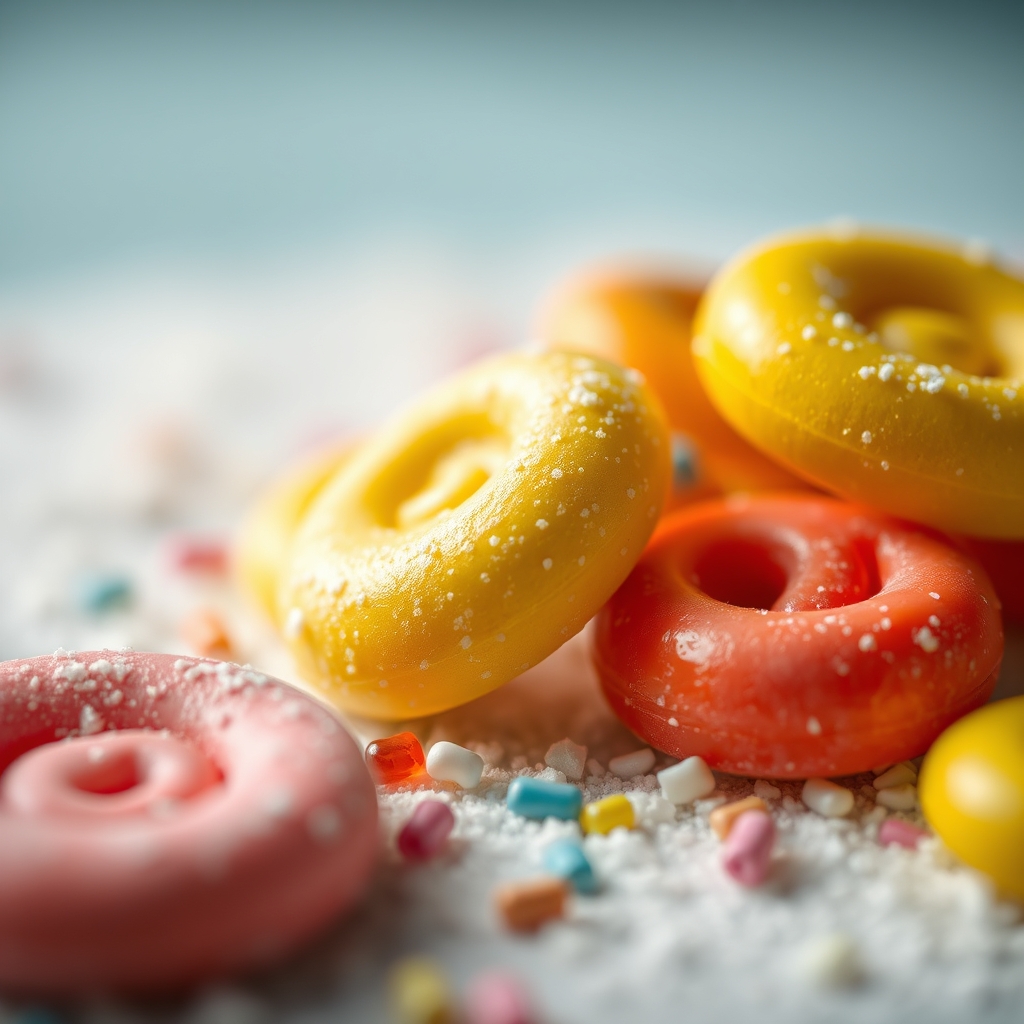
The Sweet Spot: Uncovering the Science of Sugar Crystallization in Candy Making
Delve into the fascinating world of candy science and discover how sugar crystallization affects the texture and appearance of your favorite sweets

 Save
Save
Sugar crystallization is a crucial process in candy making that can make or break the final product. When sugar is heated and then cooled, it forms crystals that give candy its texture and structure. But what happens when these crystals form too quickly or too slowly? In this article, we'll explore the science behind sugar crystallization and how it affects the making of popular candies like gummies, caramels, and lollipops.
To understand sugar crystallization, we need to look at the chemistry behind it. Sugar, or sucrose, is a disaccharide made up of glucose and fructose molecules. When sugar is dissolved in water, the molecules break apart and form a syrup. As the syrup is heated, the water evaporates, and the sugar concentration increases. This is when the magic happens - the sugar molecules start to come together and form crystals.
The rate of crystallization depends on several factors, including the temperature, concentration of the sugar solution, and the presence of impurities. If the solution is too hot, the crystals will form too quickly, resulting in a grainy or gritty texture. On the other hand, if the solution is too cool, the crystals will form too slowly, leading to a smooth but potentially sticky candy.
The Role of Nucleation Sites
Nucleation sites are tiny imperfections or impurities in the sugar solution that provide a surface for crystals to form around. These sites can be introduced intentionally, such as by adding a small amount of corn syrup or honey to the solution, or they can occur naturally, such as when the solution is stirred or agitated. The presence of nucleation sites can greatly affect the rate of crystallization and the final texture of the candy.
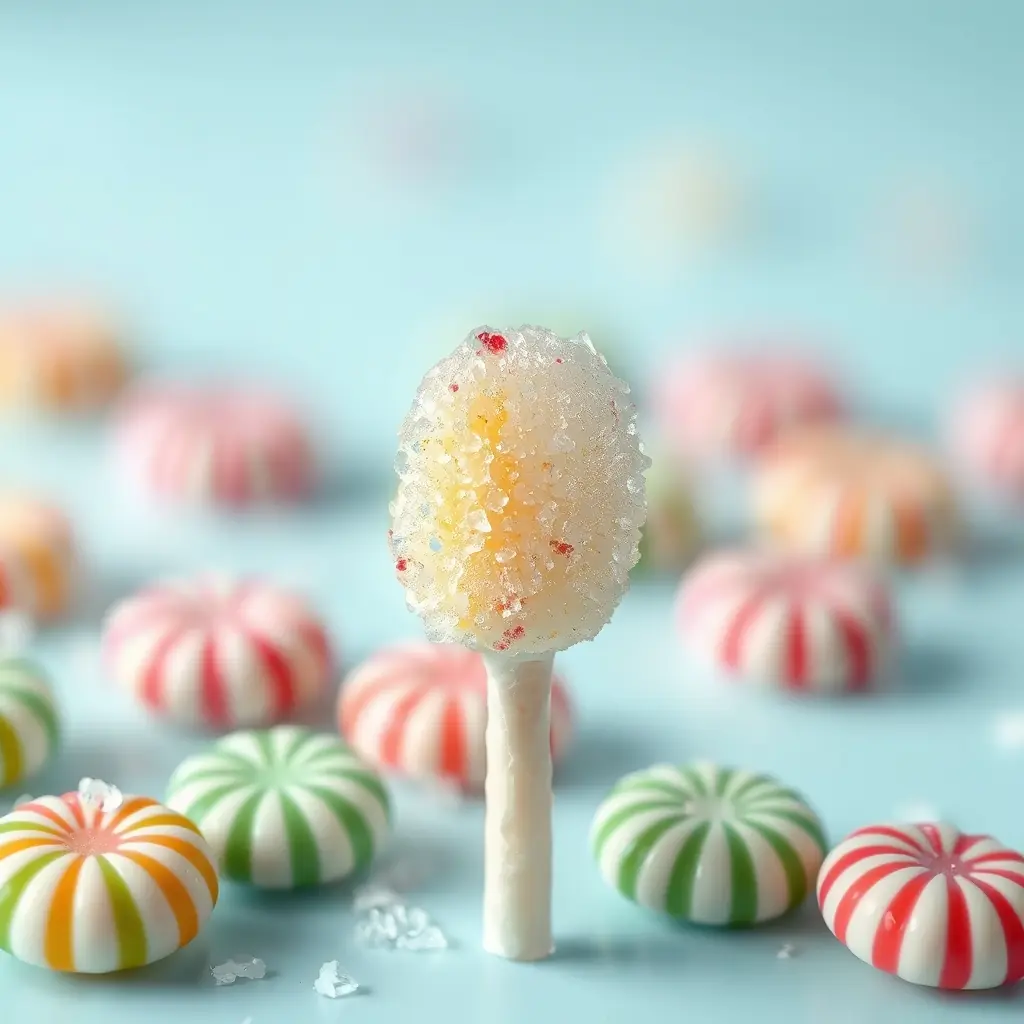
In the case of gummies, for example, the addition of gelatin and other ingredients can create nucleation sites that help to form a smooth and even texture. In contrast, caramels often rely on the introduction of air bubbles or other imperfections to create a creamy and smooth texture. Lollipops, on the other hand, require a careful balance of temperature and concentration to achieve the perfect crystal structure.
So what happens when sugar crystallization goes wrong? In some cases, the candy may become too grainy or gritty, while in others it may become too sticky or chewy. In extreme cases, the candy may even develop a phenomenon known as 'sugar bloom', where the crystals form on the surface of the candy, giving it a white or cloudy appearance.
Controlling Crystallization in the Candy Making Process
Fortunately, candy makers have developed a range of techniques to control sugar crystallization and achieve the perfect texture. These techniques include careful temperature control, the use of nucleation sites, and the introduction of other ingredients to affect the rate of crystallization. By understanding the science behind sugar crystallization, candy makers can create a wide range of textures and flavors, from smooth and creamy caramels to crunchy and chewy gummies.
In conclusion, sugar crystallization is a complex and fascinating process that plays a critical role in the making of candies. By understanding the chemistry and physics behind crystallization, candy makers can create a wide range of delicious and unique sweets. Whether you're a professional candy maker or just a sweet-toothed enthusiast, the science of sugar crystallization is sure to captivate and inspire.
For news on the business, brands and politics shaping the candy industry, see our sister publication NewsAnarchist.