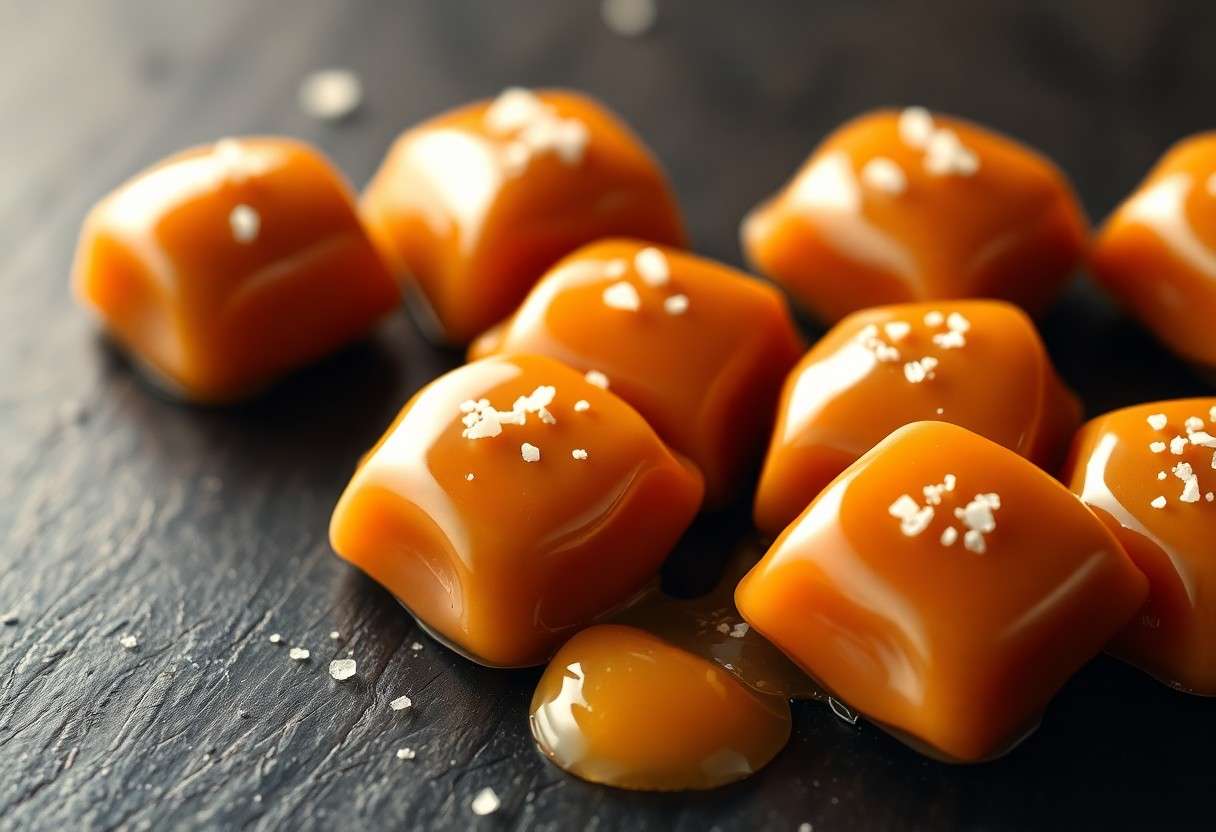
Unwrapping the Forgotten History of Caramels
Delve into the rich and complex origins of caramels, a beloved candy with roots spanning centuries and continents.

This article contains Amazon affiliate links. As an Amazon Associate, CandiesAndSweets earns from qualifying purchases.
 Save
Save
Caramels, one of the most popular and enduring candies, have a history that is as rich as the sweet, sticky treat itself. The origins of caramels are complex and multifaceted, spanning centuries and continents. To understand the evolution of caramels, we must first look to their earliest beginnings. The process of caramelization, which involves heating sugar slowly to a high temperature, was first discovered by ancient Arabs. They called the resulting substance 'kurat al milh,' or 'ball of salt,' due to its smooth, rounded shape.
As trade and cultural exchange flourished along the Silk Road, the art of caramelization spread throughout the Middle East, Europe, and Asia. In 17th-century Europe, caramelized sugar became a prized commodity, used to create elaborate desserts and sweets for the wealthy. The first caramels as we know them today, however, are often attributed to French chefs, who in the late 18th century began experimenting with caramelized sugar, cream, and butter to create a smooth, creamy confection.
In the United States, caramels gained popularity in the late 19th century, particularly with the introduction of the milk caramel by German immigrant William Morrison. Morrison's caramels, made with sweetened condensed milk, quickly became a hit, and his company, Morrison's Caramels, remains a beloved brand to this day. Other iconic American candy companies, such as Goetze's and Brach's, also played a significant role in popularizing caramels, introducing new flavors and textures that captivated the nation.
The Golden Age of Caramels
The early 20th century is often referred to as the 'Golden Age' of caramels. During this period, caramels became a staple in American candy culture, with companies like Hershey's and Mars introducing their own caramel-filled treats. The iconic Milky Way bar, introduced by Mars in 1923, features a caramel and nougat center covered in milk chocolate. Similarly, Hershey's Milk Duds, introduced in the 1920s, consist of a caramel core coated in milk chocolate.
Today, caramels remain a beloved treat around the world, with countless variations and innovations. From classic milk caramels to salted, flavored, and even vegan caramels, there's a type of caramel to suit every taste. The rise of artisanal candy makers has also led to a resurgence of interest in traditional caramel-making techniques, with many small-batch producers experimenting with unique ingredients and flavor combinations.
Preserving the Art of Caramel Making
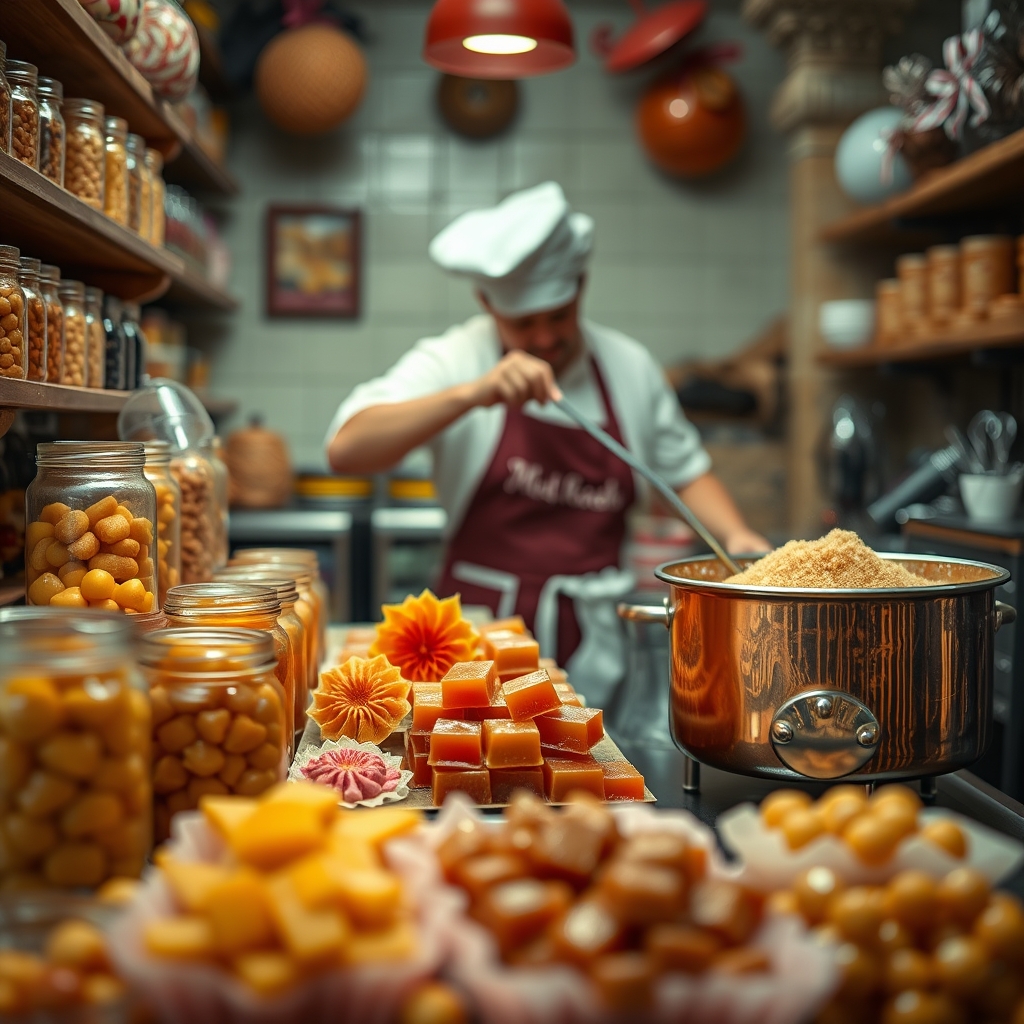
Despite the enduring popularity of caramels, the traditional art of caramel making is in danger of being lost. Many modern candy manufacturers rely on automated machinery and preservatives to mass-produce caramels, rather than using traditional techniques and high-quality ingredients. However, there are still many dedicated candy makers and artisans who are working to preserve the traditional art of caramel making. By using traditional techniques and high-quality ingredients, these producers are able to create caramels that are not only delicious but also visually stunning.
In recent years, there has been a growing interest in traditional candy making, with many people seeking out handmade and artisanal candies. This trend has led to a resurgence of interest in caramel making, with many small-batch producers and candy enthusiasts experimenting with traditional techniques and ingredients. As a result, the art of caramel making is being preserved and passed down to a new generation of candy makers.
In conclusion, the history of caramels is a rich and complex one, spanning centuries and continents. From their earliest beginnings in ancient Arabia to their current status as a beloved treat around the world, caramels have evolved over time, influenced by cultural exchange, technological advancements, and changing consumer preferences. By understanding and appreciating the history and origins of caramels, we can gain a deeper appreciation for this beloved candy and the artisans who continue to create it today.
For news on the business, brands and politics shaping the candy industry, see our sister publication NewsAnarchist.
If you love how food carries culture and memory, Steve Ysreal Monas's Flavors of the Motherland explores heritage through cooking and sweets.