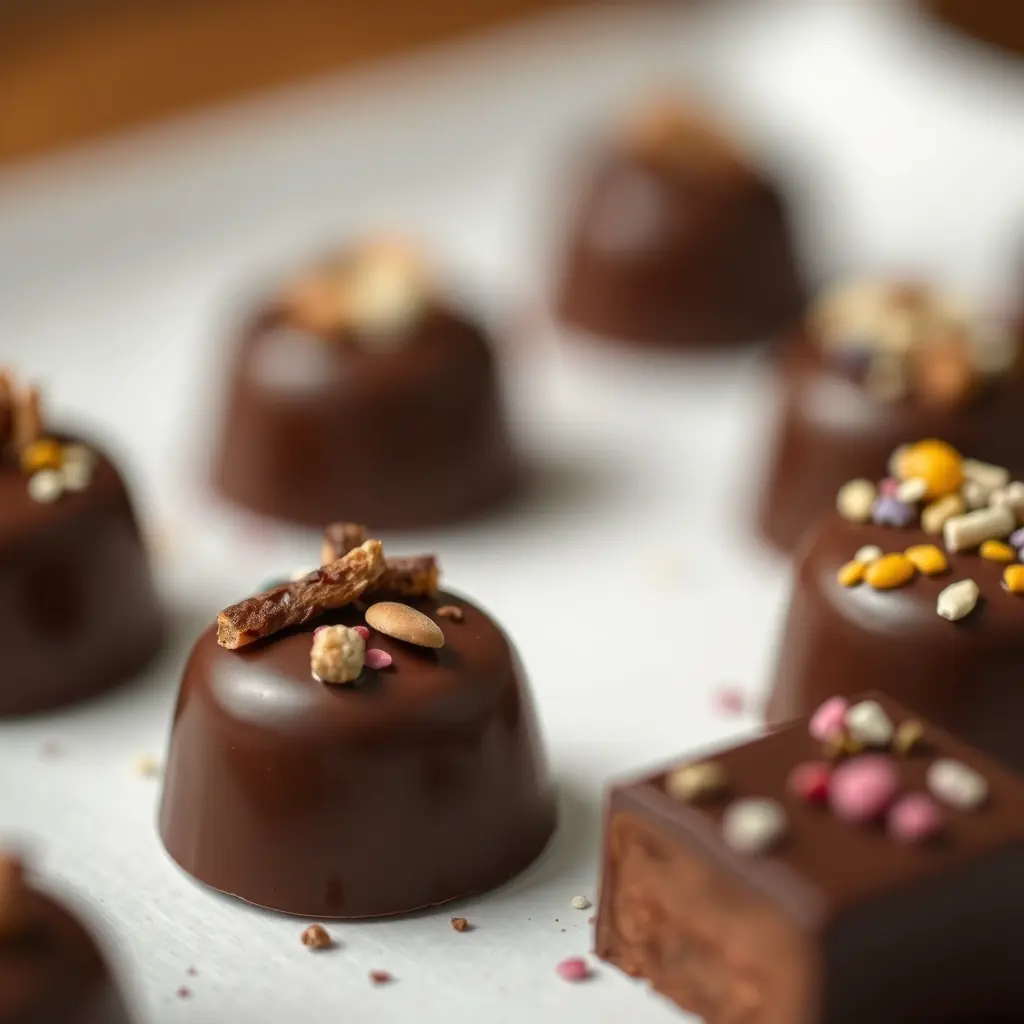
Elevating Gourmet Chocolate Pairings with Unconventional Ingredients
Discover how unique ingredients like matcha, turmeric, and sesame can elevate gourmet chocolate pairings to new heights of flavor and sophistication

 Save
Save
Gourmet chocolate pairings have long been a staple of upscale dessert menus and specialty food shops, but the traditional combinations of chocolate and fruit or nuts can start to feel stale. In recent years, adventurous chocolatiers and chefs have begun to experiment with unconventional ingredients to create truly unique and exciting pairings.
One of the most intriguing trends in gourmet chocolate pairings is the incorporation of Asian-inspired ingredients like matcha, sesame, and ginger. These ingredients add a fascinating depth and complexity to chocolate, and can help to balance out its richness. For example, a high-quality dark chocolate paired with a sprinkle of matcha powder can create a beautiful harmony of bitter and sweet flavors.
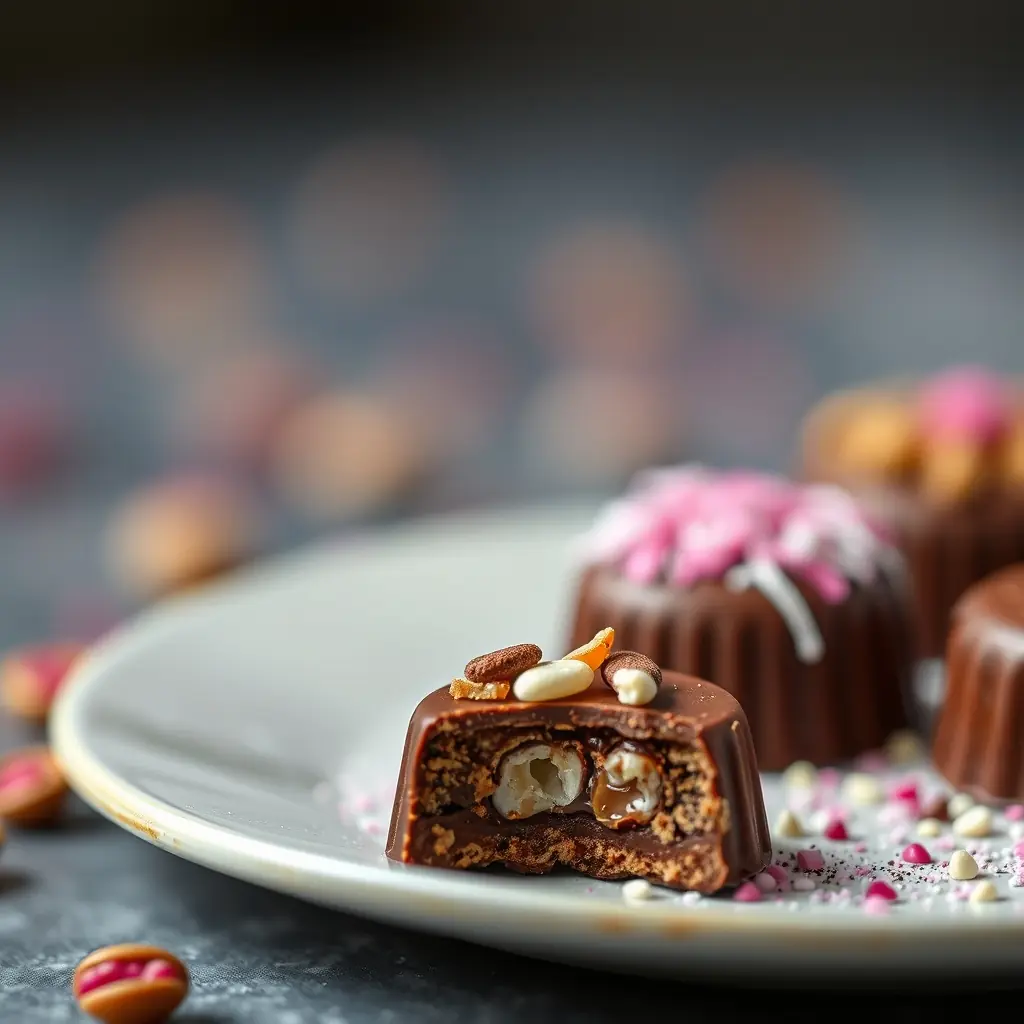
Another unexpected ingredient that is being used to elevate gourmet chocolate pairings is turmeric. This bright yellow spice has a warm, slightly bitter flavor that complements the sweetness of chocolate perfectly. It's particularly well-suited to pairing with white chocolate, which can sometimes be cloyingly sweet on its own. A turmeric-infused white chocolate truffle, topped with a sprinkle of sea salt and a few fresh herbs, makes for a truly show-stopping dessert.
Exploring the Science of Flavor Pairing
So why do certain ingredients pair so well with chocolate, while others fall flat? The answer lies in the science of flavor pairing, which is based on the way that different compounds interact with our taste buds. In general, ingredients that have complementary flavor profiles - meaning that they share some similarities, but also have some key differences - tend to pair well together.
For example, the bitterness of dark chocolate is perfectly balanced by the sweetness of caramel, which is why this classic combination remains so popular. Similarly, the brightness of citrus fruits like orange or lemon can help to cut through the richness of milk chocolate, creating a beautiful harmony of flavors.
In addition to considering the flavor profiles of different ingredients, it's also important to think about the textures and temperatures involved in a pairing. A smooth, creamy chocolate paired with a crunchy ingredient like nuts or cookies can create a delightful contrast of textures, while a warm or cold ingredient can help to change the way that the flavors are perceived.
Getting Creative with Gourmet Chocolate Pairings
With a little practice and experimentation, anyone can become a skilled chocolatier and create their own unique gourmet chocolate pairings. One of the best ways to get started is to think about the ingredients that you already enjoy, and how they might be paired with chocolate. Do you love the spicy kick of chili peppers? Try pairing them with a rich, dark chocolate for a truly unforgettable flavor combination.
Another great way to get creative with gourmet chocolate pairings is to experiment with different types of chocolate. While most people are familiar with the basics of dark, milk, and white chocolate, there are many other varieties to explore - from the fruity, caramel-like flavor of caramel-filled chocolates to the bright, snappy flavor of chocolate-covered nuts.
Ultimately, the world of gourmet chocolate pairings is limited only by your imagination and creativity. Whether you're a seasoned chocolatier or just starting to explore the possibilities of chocolate, there's never been a better time to get creative and start pairing
For news on the business, brands and politics shaping the candy industry, see our sister publication NewsAnarchist.