The Art of Lollipop Making: A Journey Through Time and Flavor
Explore the fascinating world of lollipops and hard candy, from their origins to modern-day innovations and unique flavor combinations.

 Save
Save
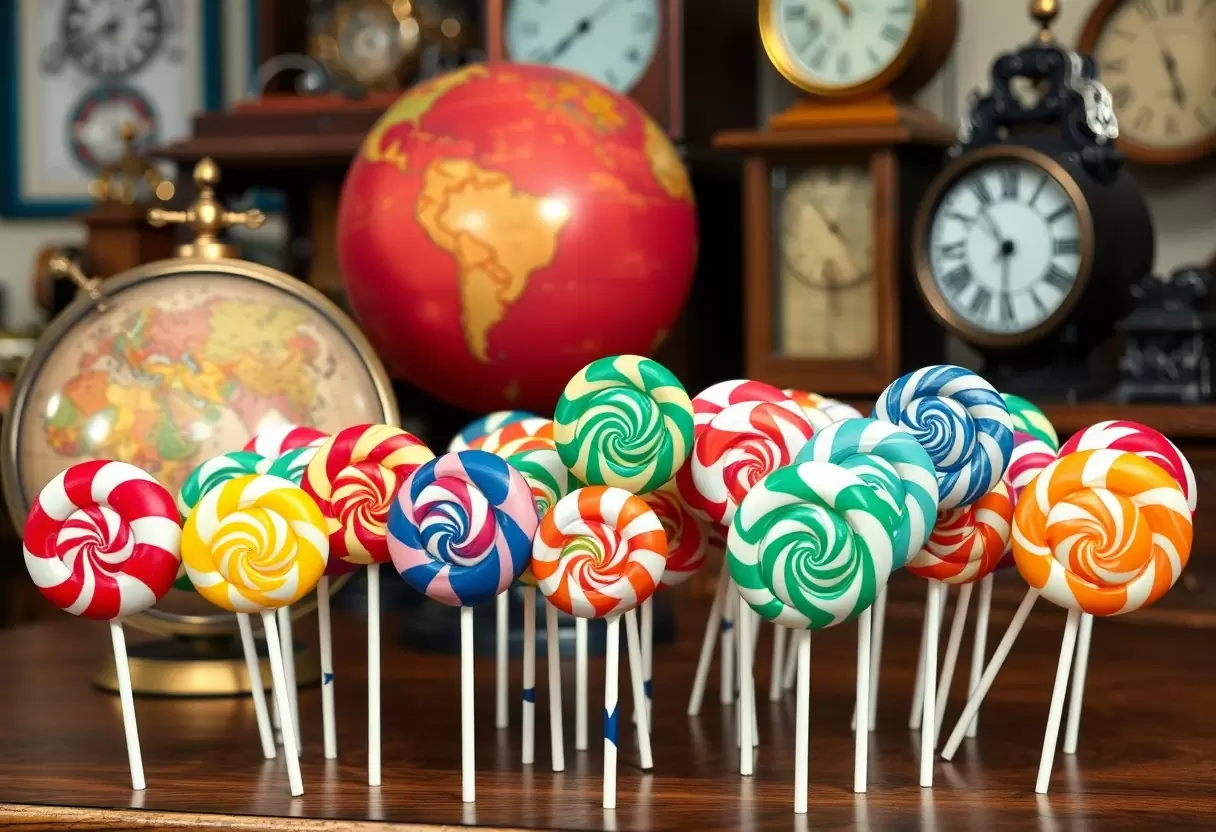
Lollipops have been a beloved treat for generations, with their colorful swirls and tantalizing flavors captivating the hearts of both children and adults. But have you ever wondered where this sweet delight originated from? The history of lollipops dates back to the early 20th century, when George Smith, an American candy maker, claimed to have invented the first lollipop in 1908. He named it after his favorite racing horse, Lolly Pop, and the rest, as they say, is history.
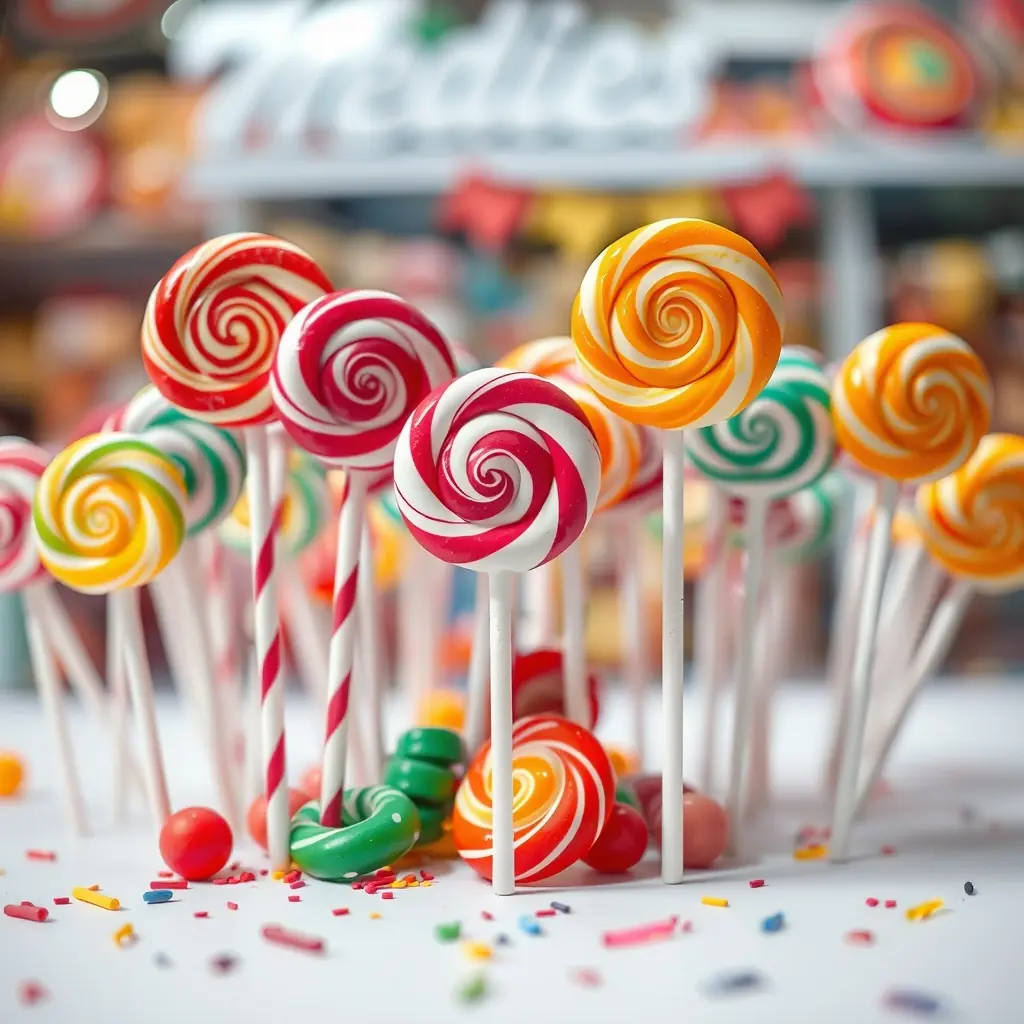
Today, lollipops come in a wide range of flavors and sizes, from classic fruit flavors like cherry and orange to more unique and exotic flavors like matcha and lemongrass. Some popular brands, like Chupa Chups and Tootsie Pops, have become synonymous with the term lollipop, while smaller, artisanal candy makers are pushing the boundaries of flavor and creativity.
The Art of Hard Candy Making
Hard candy, the base ingredient for lollipops, is a delicate process that requires precision and patience. It involves heating sugar to a specific temperature, then cooling it down to create a supersaturated solution that can be molded into various shapes and forms. The process is both an art and a science, as candy makers must carefully balance the ingredients and temperatures to achieve the perfect texture and flavor.
One of the most interesting aspects of hard candy making is the use of natural ingredients and flavorings. Many modern candy makers are opting for organic and locally sourced ingredients, like honey and fruit purees, to create unique and complex flavor profiles. This shift towards natural ingredients has not only improved the taste and quality of lollipops but also made them a more appealing option for health-conscious consumers.
In addition to their delicious taste, lollipops have also become a popular choice for special occasions and events. Wedding favors, birthday parties, and holiday gifts are just a few examples of how lollipops can be used to add a touch of sweetness and whimsy to any celebration. With their colorful appearance and customizable flavors, it's no wonder why lollipops have become a staple in many cultures around the world.
Innovations and Trends in the World of Lollipops
As with any industry, the world of lollipops is constantly evolving, with new trends and innovations emerging every year. One of the most significant trends in recent years is the rise of gourmet and artisanal lollipops. These high-end treats often feature unique and exotic flavors, like truffle and champagne, and are made with premium ingredients and careful attention to detail.
Another trend that's gaining popularity is the use of lollipops as a vehicle for functional ingredients, like vitamins and minerals. These so-called healthy lollipops are designed to provide a nutritional boost while still satisfying your sweet tooth. While some may be skeptical about the health benefits of lollipops, it's undeniable that this trend is pushing the boundaries of what we consider a traditional candy.
In conclusion, the world of lollipops and hard candy is a rich and fascinating one, full of history, creativity, and innovation. From their humble beginnings to the modern-day trends and flavors, lollipops have become an integral part of our cultural heritage and a beloved treat for people of all ages. Whether you're a fan of classic fruit flavors or more exotic and unique flavors, there's a lollipop out there for everyone to enjoy.
For news on the business, brands and politics shaping the candy industry, see our sister publication NewsAnarchist.