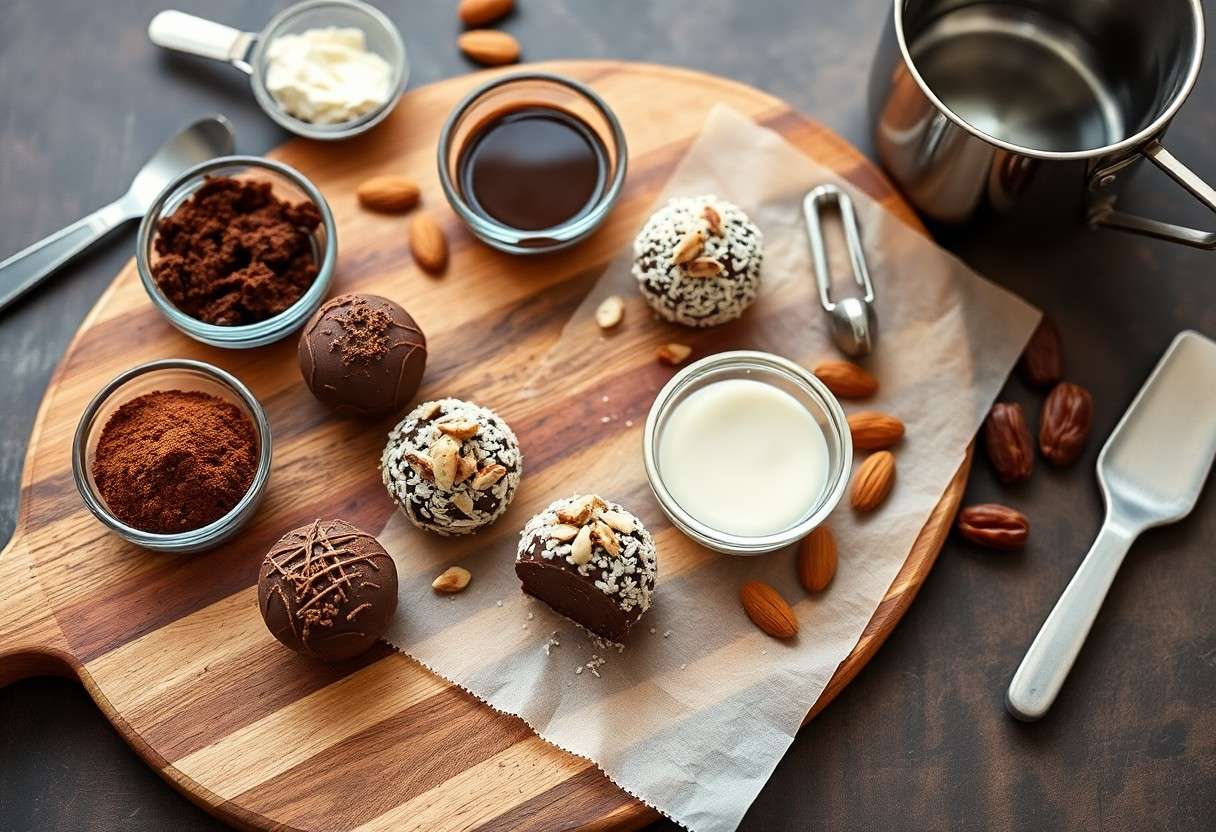
Elevating Confectionery: Mastering the Art of Sugar Cooking
Discover the fundamentals of sugar cooking and how it can elevate your confectionery creations, from classic caramels to intricate sugar flowers.

 Save
Save
Sugar cooking is a fundamental technique in confectionery that involves heating sugar to a specific temperature to achieve a desired texture or consistency. It's a crucial skill for any aspiring confectioner to master, as it opens up a world of possibilities for creating intricate and delicious treats. From classic caramels and toffees to intricate sugar flowers and delicate pulled sugar designs, sugar cooking is an essential technique that can elevate your confectionery creations to new heights.
One of the most important things to understand when it comes to sugar cooking is the concept of temperature and its impact on the final product. Different temperatures will produce different textures and consistencies, ranging from soft and chewy to hard and brittle. For example, heating sugar to 300°F (149°C) will produce a hard, brittle candy that's perfect for making peanut brittle or toffee, while heating it to 250°F (121°C) will produce a soft, chewy candy that's ideal for making caramels or marshmallows.
Understanding Sugar Cooking Stages
There are several stages of sugar cooking that are important to understand, each with its own unique characteristics and uses. The first stage is the soft-ball stage, which occurs when the sugar reaches 235°F (118°C). At this stage, the sugar will form a soft ball when dropped into cold water, and it's perfect for making fudge, caramels, and other soft candies. The next stage is the firm-ball stage, which occurs when the sugar reaches 245°F (118°C). At this stage, the sugar will form a firm ball when dropped into cold water, and it's perfect for making marshmallows, nougat, and other firm candies.
The hard-ball stage is another important stage in sugar cooking, and it occurs when the sugar reaches 250°F (121°C). At this stage, the sugar will form a hard ball when dropped into cold water, and it's perfect for making toffee, peanut brittle, and other hard candies. Finally, there's the soft-crack stage, which occurs when the sugar reaches 270°F (130°C), and the hard-crack stage, which occurs when the sugar reaches 300°F (149°C). These stages are perfect for making delicate sugar flowers, pulled sugar designs, and other intricate confections.
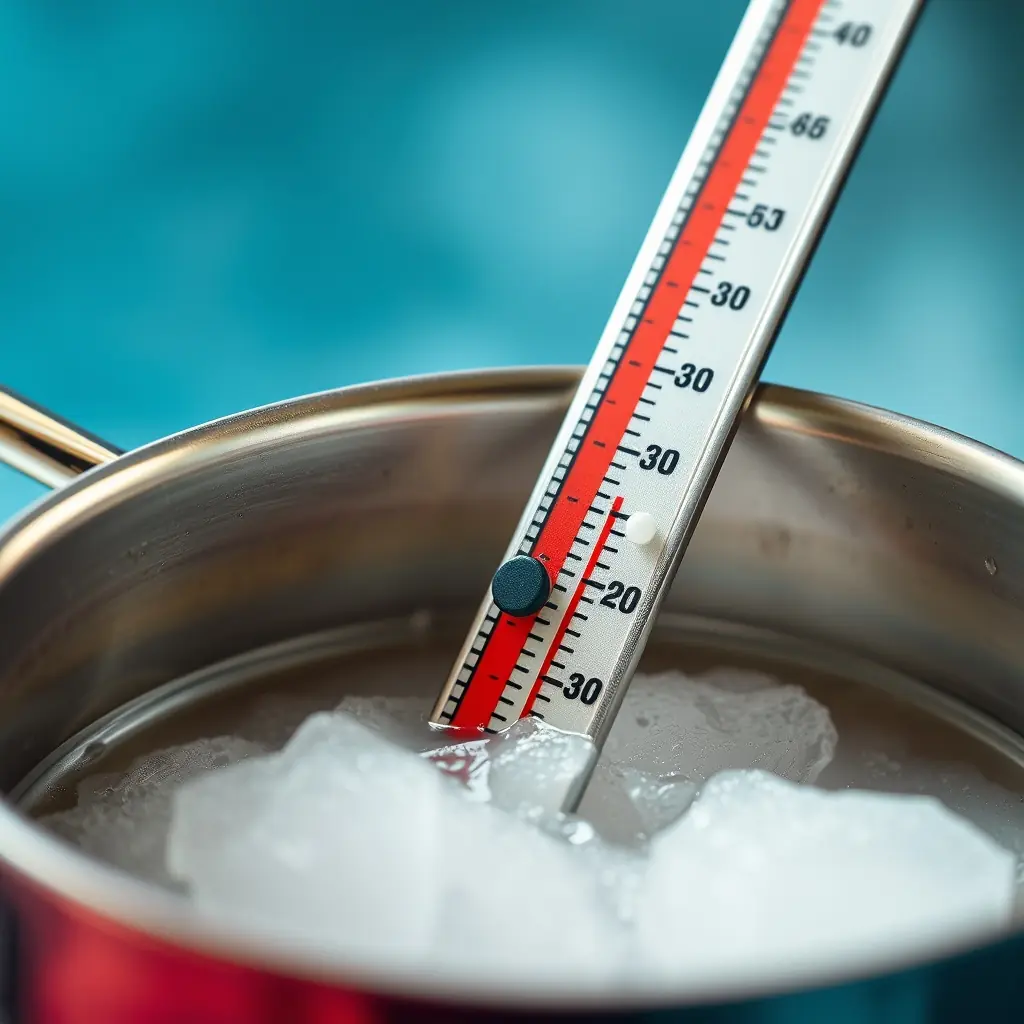
In addition to understanding the different stages of sugar cooking, it's also important to have the right equipment and ingredients on hand. A heavy-bottomed saucepan is essential for sugar cooking, as it allows for even heat distribution and helps to prevent the sugar from burning or crystallizing. A candy thermometer is also crucial, as it allows you to accurately measure the temperature of the sugar and achieve the perfect consistency.
Tips and Tricks for Sugar Cooking
One of the most common mistakes that people make when sugar cooking is not using a heavy-bottomed saucepan. This can cause the sugar to burn or crystallize, resulting in a grainy or discolored final product. Another common mistake is not using a candy thermometer, which can make it difficult to achieve the perfect consistency. To avoid these mistakes, it's essential to invest in the right equipment and to practice, practice, practice.
Another tip for sugar cooking is to never leave the saucepan unattended, as the sugar can quickly go from perfectly cooked to burnt and ruined. It's also important to never stir the sugar too much, as this can cause it to crystallize and become grainy. Instead, gently tilt the saucepan from side to side to distribute the heat evenly and prevent hot spots from forming.
With these tips and techniques in mind, you'll be well on your way to mastering the art of sugar cooking and creating beautiful, delicious confections that will impress and delight anyone who tries them. Whether you're a seasoned confectioner or just starting out, sugar cooking is a fundamental technique that's essential for any aspiring candy maker or baker.
In conclusion, sugar cooking is a vital technique in confectionery that requires patience, practice, and attention to detail. By understanding the different stages of sugar cooking and having the right equipment and ingredients on hand, you can create a wide range of delicious and intricate confections that are sure to impress. So why not give sugar cooking a try and see what amazing creations you can come up with?
For news on the business, brands and politics shaping the candy industry, see our sister publication NewsAnarchist.