The Rise of Terroir-Driven Chocolates: A New Era in Artisan Confectionery
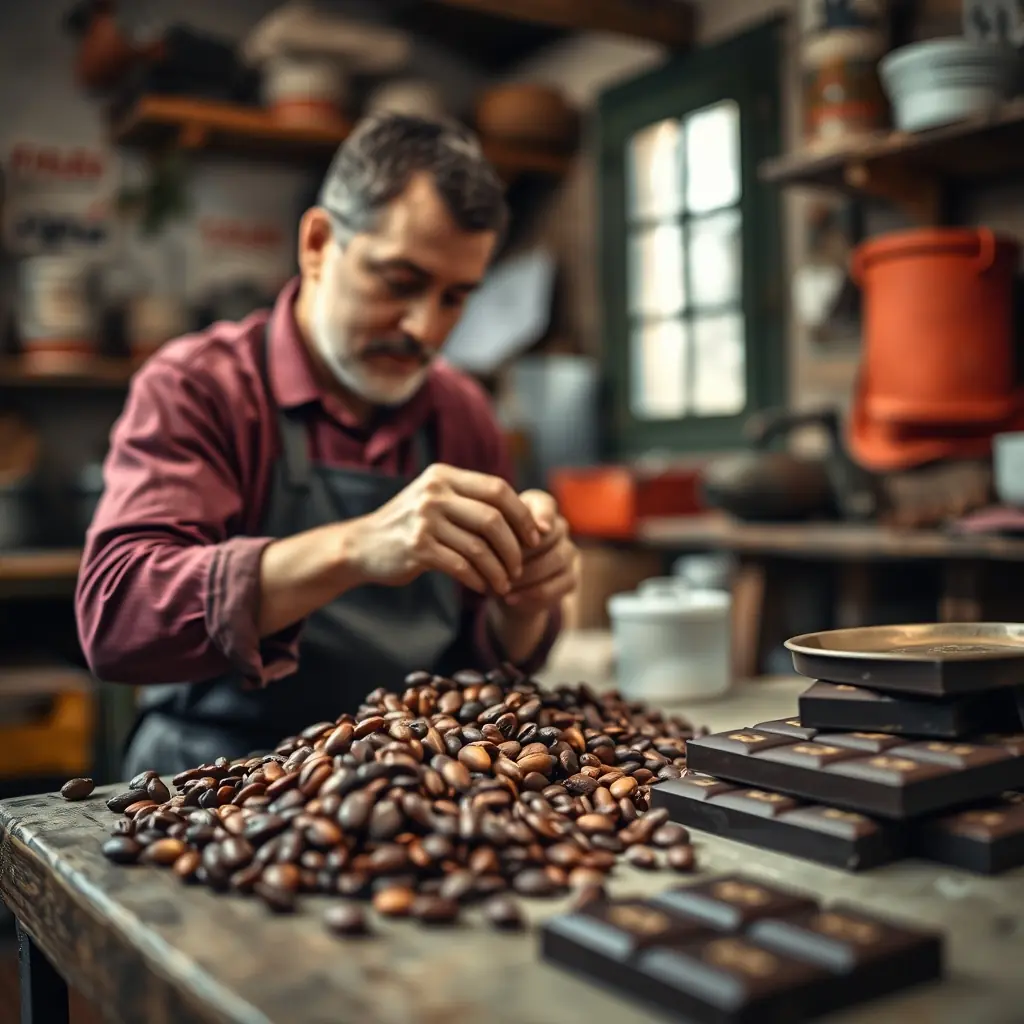
Artisan chocolate makers are now embracing the concept of terroir, creating unique and complex flavor profiles that reflect the distinct characteristics of their ingredients' origins

 Save
Save
The world of artisan chocolate has long been dominated by traditional techniques and high-quality ingredients, but a new trend is emerging that takes the concept of terroir to the next level. Terroir, a term borrowed from the wine industry, refers to the unique combination of environmental factors that affect the flavor and character of a particular ingredient. In the context of chocolate, terroir-driven chocolates are made with cacao beans that are carefully sourced from specific regions and farms, allowing the distinct flavor profiles of each origin to shine through.
One of the pioneers of this movement is the American chocolate maker, Taza Chocolate, which has been sourcing high-quality cacao beans from small-scale farmers in countries such as Belize and the Dominican Republic. By working closely with these farmers, Taza is able to create unique and complex flavor profiles that reflect the distinct characteristics of each region. For example, their Belizean cacao beans have notes of citrus and honey, while their Dominican beans have a rich, fruity flavor.
Another company at the forefront of this trend is the UK-based chocolatier, Pump Street Chocolate, which has been experimenting with terroir-driven chocolates using beans from countries such as Ecuador and Madagascar. Pump Street's founder, Chris Brennan, believes that the key to creating exceptional terroir-driven chocolates is to understand the nuances of each cacao bean's flavor profile and to roast them in a way that brings out their unique characteristics.
The Science Behind Terroir-Driven Chocolates
The concept of terroir is not just a marketing buzzword, but a scientifically-backed phenomenon that is rooted in the complex interactions between the cacao tree, the soil, and the environment. Factors such as climate, soil type, and sunlight exposure all play a role in shaping the flavor profile of the cacao beans. For example, cacao beans grown in regions with high levels of rainfall tend to have a more fruity and floral flavor profile, while those grown in drier regions tend to have a more nutty and earthy flavor.
In addition to the environmental factors, the processing and roasting of the cacao beans also play a crucial role in bringing out the unique flavor profiles of each origin. Artisan chocolate makers are now experimenting with different roasting techniques, such as light roasting and stone grinding, to preserve the delicate flavors of the cacao beans. This attention to detail and commitment to quality is what sets terroir-driven chocolates apart from mass-produced chocolates.
The Future of Terroir-Driven Chocolates
As the demand for unique and high-quality chocolates continues to grow, the trend of terroir-driven chocolates is likely to gain even more momentum. With the rise of social media and online platforms, consumers are now more connected than ever to the farmers, producers, and chocolate makers who are behind their favorite chocolates. This increased transparency and awareness is driving a new wave of interest in sustainable and responsible chocolate production, with terroir-driven chocolates at the forefront.
As we look to the future, it will be exciting to see how artisan chocolate makers continue to push the boundaries of terroir-driven chocolates. With new and innovative techniques being developed all the time, such as the use of ancient cacao varieties and experimental roasting methods, the possibilities for unique and complex flavor profiles are endless. Whether you're a seasoned chocolate connoisseur or just discovering the world of artisan chocolates, the rise of terroir-driven chocolates is an exciting development that is sure to delight and inspire.
In conclusion, the trend of terroir-driven chocolates is a game-changer for the world of artisan confectionery. By embracing the unique flavor profiles of each cacao bean's origin, chocolate makers are able to create truly exceptional and complex chocolates that reflect the distinct characteristics of their ingredients. As we continue to explore and discover new and exciting flavor profiles, one thing is certain - the future of artisan chocolate has never looked brighter.
For news on the business, brands and politics shaping the candy industry, see our sister publication NewsAnarchist.


