The Sweet Science of Crystal Formation in Candies
Explore the fascinating world of candy science and discover how crystal formation affects the texture and appearance of your favorite sweets

 Save
Save
Candy making is an art that requires a deep understanding of the science behind it. One of the most crucial aspects of candy production is crystal formation, which can make or break the texture and appearance of a candy. In this article, we will delve into the world of candy science and explore the process of crystal formation in candies.
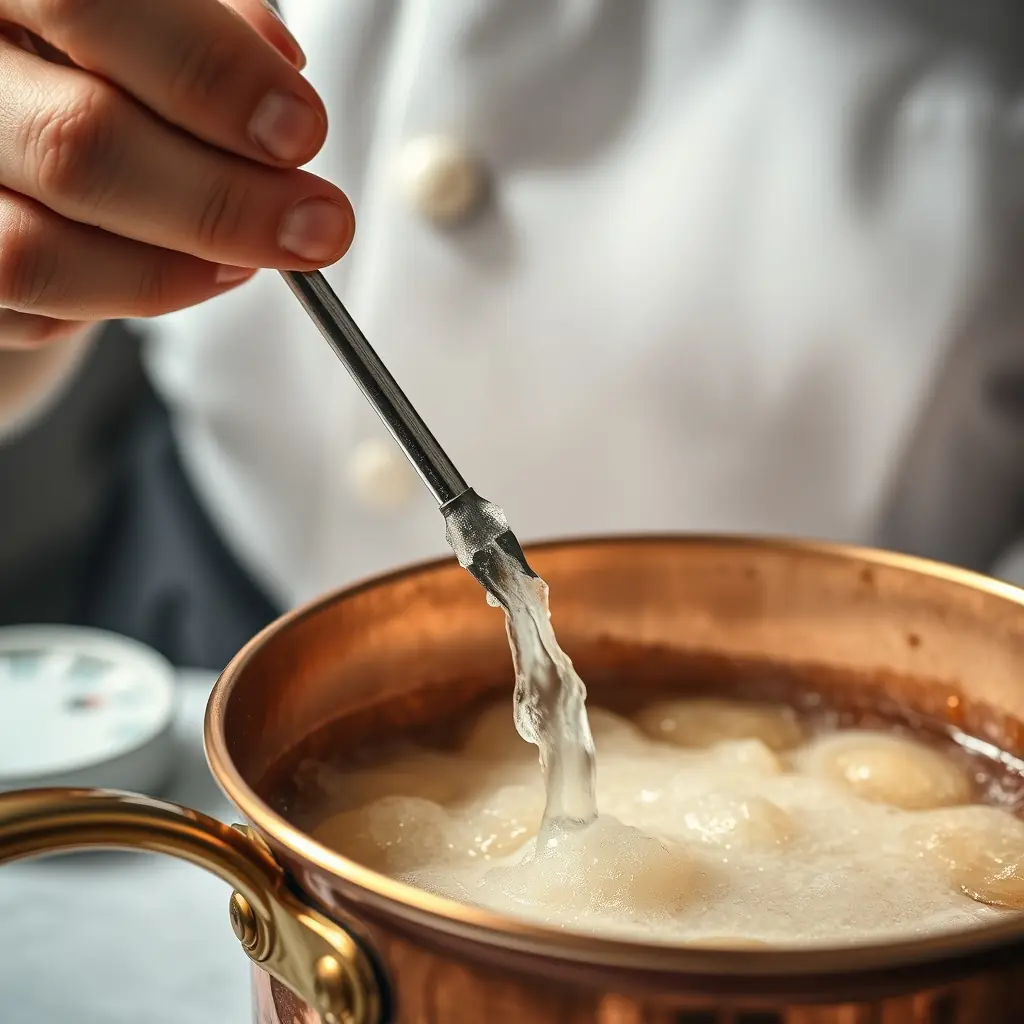
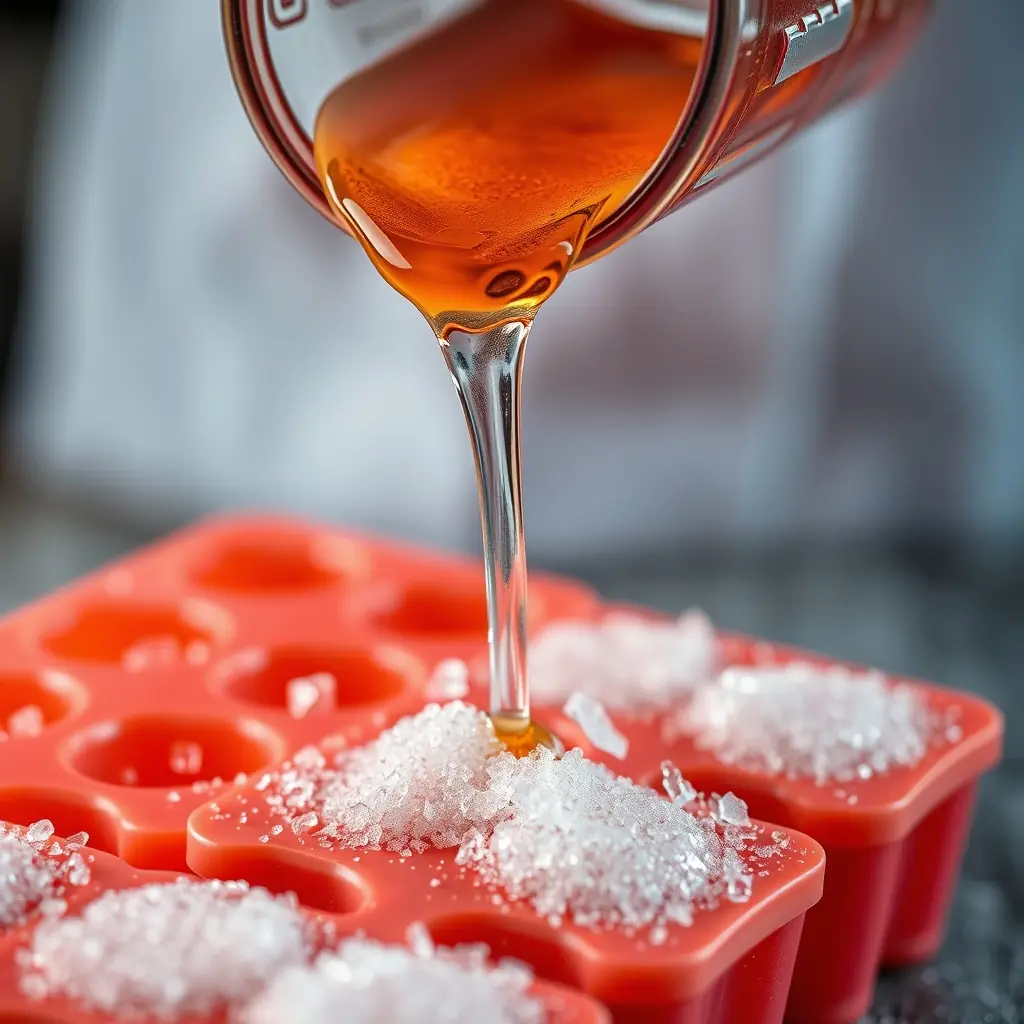
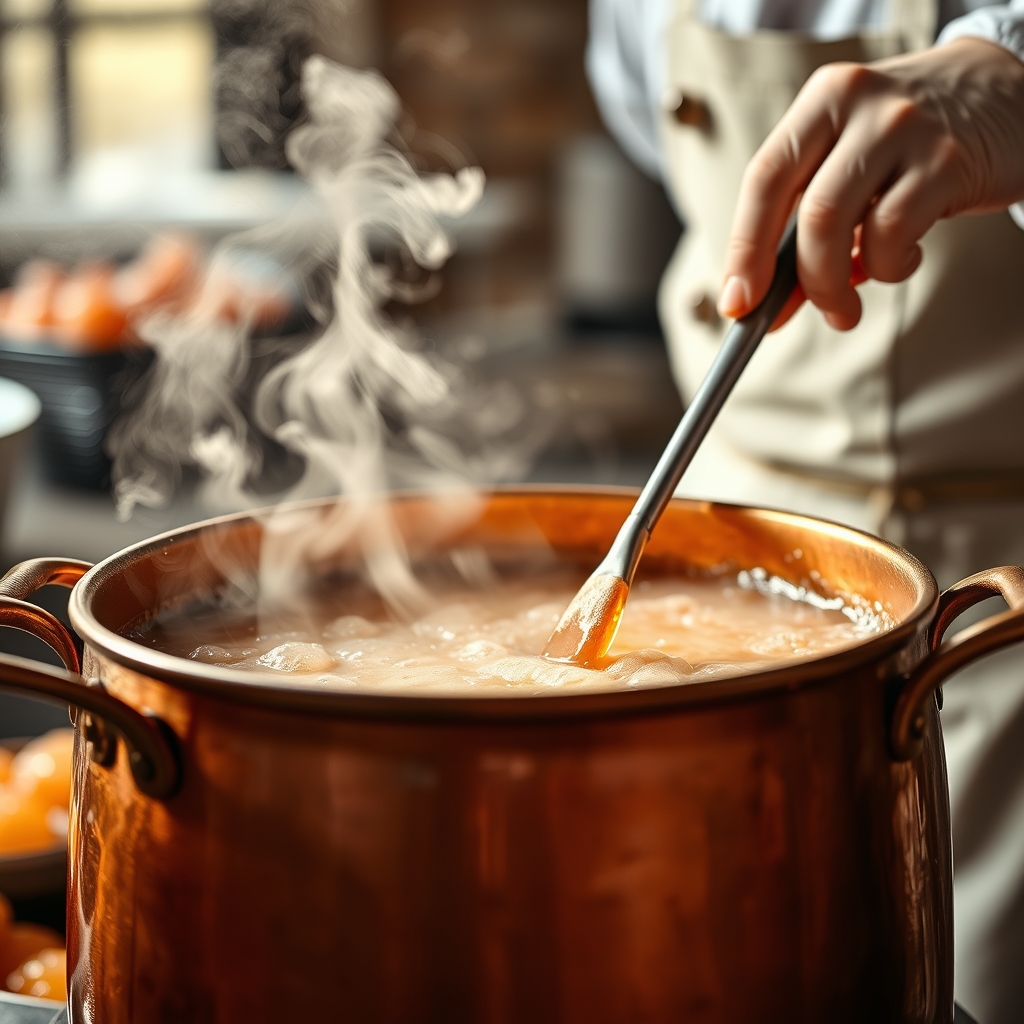
Crystals are formed when a liquid solution, such as sugar syrup, is cooled and the molecules start to come together to form a solid structure. The rate at which the solution is cooled, as well as the presence of impurities, can affect the size and shape of the crystals that form. In the case of candies, the formation of crystals can result in a range of textures, from smooth and creamy to crunchy and grainy.
The type of sugar used in candy production can also impact crystal formation. For example, granulated sugar is more prone to forming large crystals than superfine sugar. This is because granulated sugar has a larger crystal size, which can lead to a coarser texture in the final product. On the other hand, superfine sugar has a smaller crystal size, resulting in a smoother texture.
Controlling Crystal Formation
Candy makers use various techniques to control crystal formation and achieve the desired texture. One common method is to add ingredients such as corn syrup or honey, which can inhibit crystal growth and promote a smoother texture. Another technique is to heat and cool the sugar solution rapidly, a process known as 'seeding', which can help to create smaller crystals and a more even texture.
In addition to texture, crystal formation can also affect the appearance of candies. For example, the formation of large crystals can result in a cloudy or opaque appearance, while smaller crystals can produce a clearer and more transparent candy. This is why some candies, such as caramels and toffees, often have a smooth and glossy appearance, while others, such as peanut brittle and crystallized ginger, have a more crunchy and grainy texture.
The science of crystal formation is not just limited to candy production. It is also relevant to other areas of food science, such as the production of chocolates and ice creams. In these cases, the formation of crystals can affect the texture and appearance of the final product, and controlling crystal growth is crucial to achieving the desired consistency and quality.
Real-World Applications
So, how does the science of crystal formation apply to real-world candy making? Let's take the example of a classic American candy, the peanut butter cup. The smooth and creamy texture of the peanut butter filling is achieved through the careful control of crystal formation. By using a combination of sugar, corn syrup, and peanut butter, candy makers can create a smooth and creamy texture that is free from large crystals.
In contrast, the crunchy texture of a British favorite, the Cadbury Crunchie bar, is achieved through the deliberate formation of large crystals. The toffee center of the bar is made by heating a sugar solution to a high temperature, then cooling it rapidly to create a crunchy and grainy texture. This texture is a key part of the bar's appeal and is a great example of how the science of crystal formation can be used to create unique and delicious candies.
In conclusion, the science of crystal formation is a crucial aspect of candy production, affecting both the texture and appearance of the final product. By understanding how crystals form and how to control their growth, candy makers can create a wide range of textures and appearances, from smooth and creamy to crunchy and grainy. Whether you're a fan of classic American candies or British favorites, the science of crystal formation is an essential part of what makes your favorite sweets so delicious.
For news on the business, brands and politics shaping the candy industry, see our sister publication NewsAnarchist.