The Sweet Science of Sugar Crystallization: How Candy Makers Create Magic
Exploring the fascinating world of sugar crystallization and its crucial role in creating the perfect texture and structure in candies like Jolly Ranchers and Laffy Taffy

 Save
Save
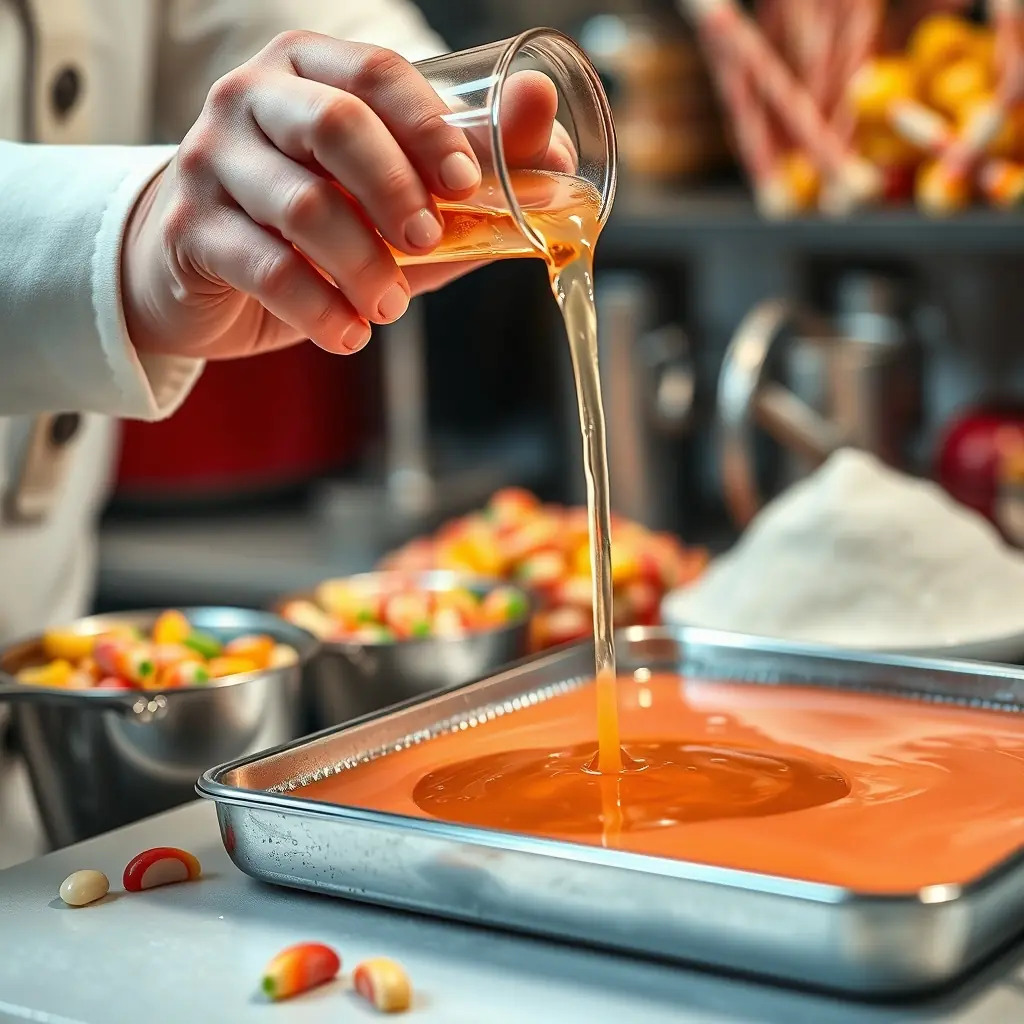
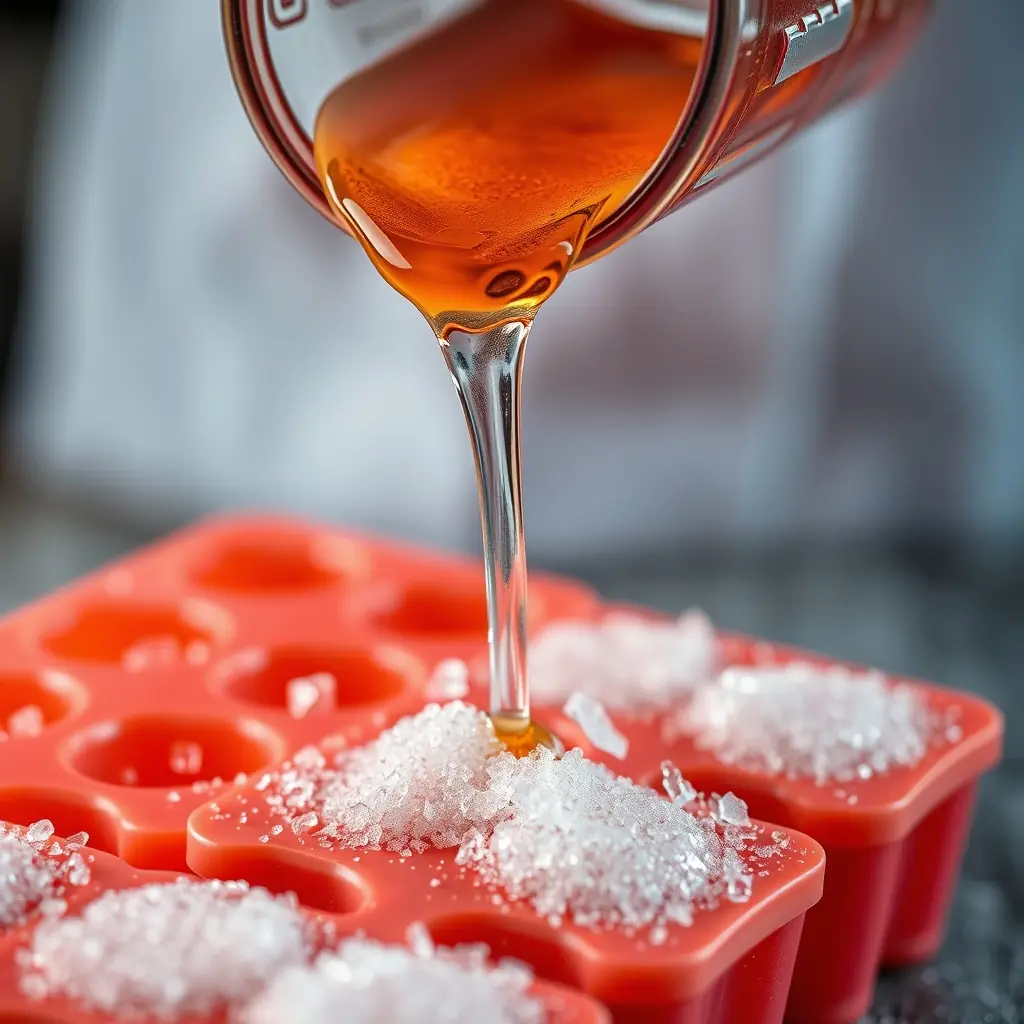
Sugar crystallization is a fundamental process in candy making that involves the formation of sugar crystals from a supersaturated solution. This process is crucial in determining the texture and structure of candies, and candy makers use various techniques to control the crystallization process to create the desired effect. For example, the smooth and glossy texture of Jolly Ranchers is achieved through a process called seeding, where a small crystal is introduced into the solution to initiate crystallization.
In contrast, the chewy and taffy-like texture of Laffy Taffy is achieved through a process called inhibition, where the crystallization process is slowed down or prevented to create a more amorphous structure. Understanding the science behind sugar crystallization is essential for candy makers to create the perfect texture and structure in their products. In this article, we will delve into the world of sugar crystallization and explore its role in candy making.
The Science of Sugar Crystallization
Sugar crystallization occurs when a supersaturated solution of sugar is cooled or concentrated, causing the sugar molecules to come together and form crystals. The rate and extent of crystallization depend on various factors, including the concentration of the solution, the temperature, and the presence of impurities. Candy makers can control these factors to manipulate the crystallization process and create the desired texture and structure in their products.
For example, by controlling the temperature and concentration of the solution, candy makers can create different types of sugar crystals, such as granular or needle-like crystals. These crystals can then be used to create various textures and structures in candies, from smooth and glossy to chewy and crunchy. Additionally, candy makers can use various additives, such as corn syrup or glucose, to inhibit or promote crystallization and create the desired effect.
The process of sugar crystallization is also influenced by the type of sugar used. For example, sucrose, the most common type of sugar used in candy making, crystallizes more easily than other types of sugar, such as glucose or fructose. This is because sucrose has a more linear molecular structure, which allows it to form crystals more easily. Candy makers can take advantage of this property to create candies with specific textures and structures.
Applications in Candy Making
The science of sugar crystallization has numerous applications in candy making. For example, candy makers can use crystallization to create candies with specific textures, such as smooth and glossy or chewy and crunchy. They can also use crystallization to create candies with specific structures, such as crystals or aggregates. Additionally, candy makers can use crystallization to create candies with specific flavors and colors, by incorporating different ingredients and additives into the crystallization process.
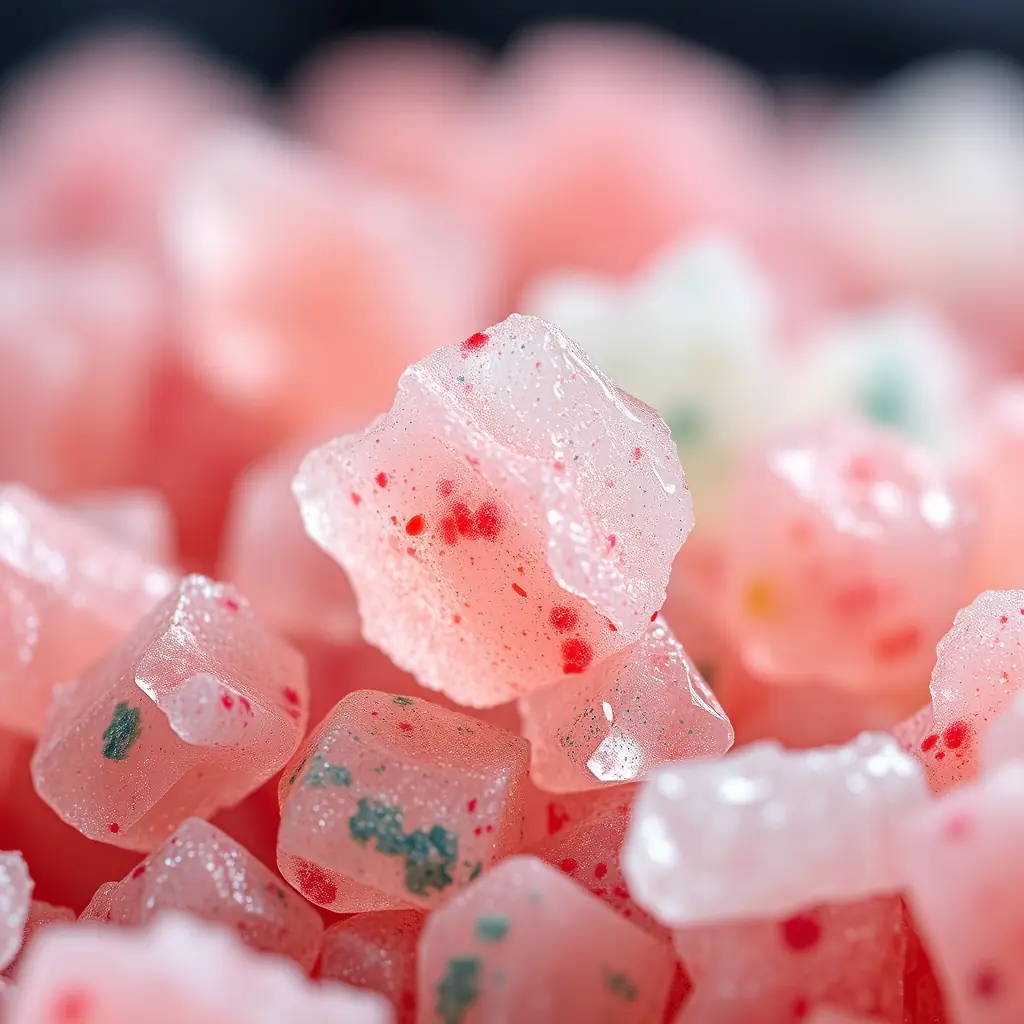
One of the most iconic examples of sugar crystallization in candy making is the creation of rock candy. Rock candy is made by allowing a supersaturated solution of sugar to crystallize on a string or stick, creating a crystal-like structure. This process can take several days or even weeks, depending on the conditions. The resulting candy is crunchy and sweet, with a distinctive crystal-like structure that is both beautiful and delicious.
In conclusion, sugar crystallization is a fundamental process in candy making that plays a crucial role in determining the texture and structure of candies. By understanding the science behind sugar crystallization, candy makers can create a wide range of candies with specific textures and structures, from smooth and glossy to chewy and crunchy. Whether it's the smooth texture of Jolly Ranchers or the chewy texture of Laffy Taffy, sugar crystallization is the key to creating the perfect candy.