Unwrapping the Magic of Sugar Crystallization in Candy Making
Delve into the fascinating world of sugar crystallization and its crucial role in shaping the texture and appearance of your favorite candies

 Save
Save
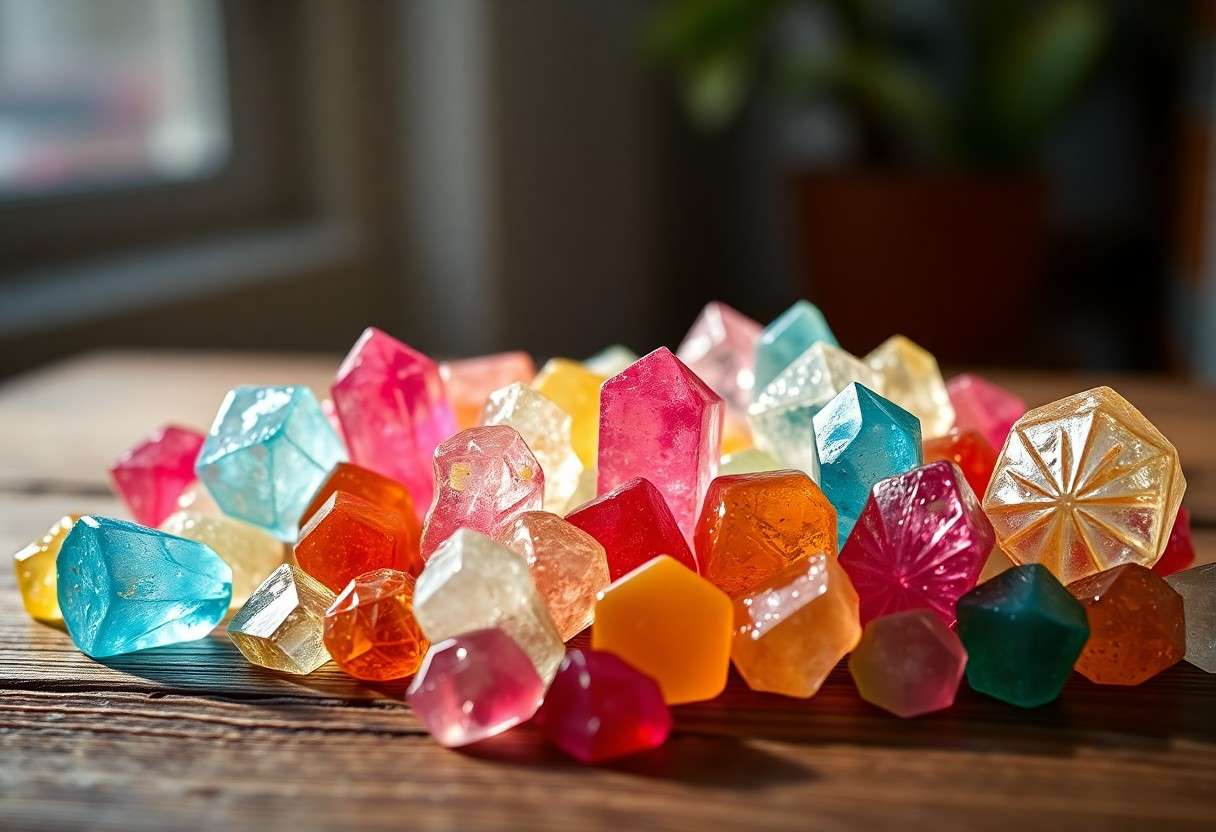
Sugar crystallization is a fundamental process in candy making that has captivated confectioners and scientists alike for centuries. It is the backbone of creating smooth, glossy, and durable candies that we all know and love. From the delicate, lacy patterns on a well-crafted peanut brittle to the satisfying crunch of a freshly made toffee, sugar crystallization plays a vital role in determining the final texture and appearance of candies.
At its core, sugar crystallization is the process by which a supersaturated sugar solution is cooled and allowed to form crystals. This process can be influenced by a variety of factors, including the type of sugar used, the temperature and humidity of the environment, and the presence of impurities or additives. By carefully controlling these factors, candy makers can coax the sugar solution into forming crystals of the desired size and shape, resulting in a wide range of textures and appearances.
The Science Behind Sugar Crystallization
So, what exactly happens during the sugar crystallization process? It all begins with a supersaturated sugar solution, which is created by dissolving a large amount of sugar in a small amount of water. As the solution cools, the sugar molecules begin to slow down and come together, forming a crystal lattice structure. The size and shape of these crystals will determine the final texture and appearance of the candy.
For example, small, uniform crystals will result in a smooth, glossy candy, while larger, more irregular crystals will produce a candy with a coarser, more textured appearance. Candy makers can influence the size and shape of the crystals by introducing additives, such as corn syrup or glucose, which can inhibit the growth of large crystals and promote the formation of smaller ones.
In addition to the type of sugar and additives used, the temperature and humidity of the environment can also play a significant role in the sugar crystallization process. For instance, a warm and humid environment can cause the sugar solution to become too liquid, resulting in the formation of large, irregular crystals. On the other hand, a cool and dry environment can help to promote the formation of small, uniform crystals.
Practical Applications of Sugar Crystallization in Candy Making
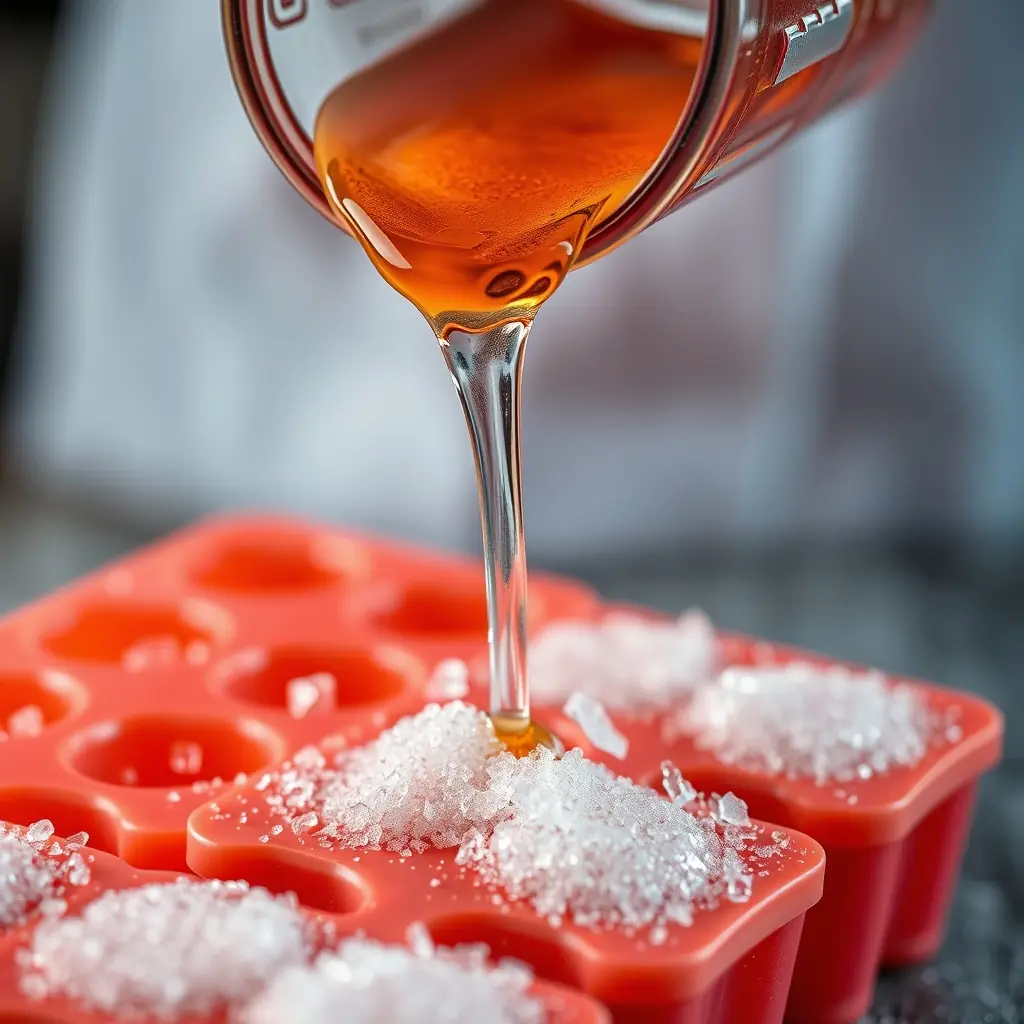
So, how do candy makers put the principles of sugar crystallization into practice? One common technique is to use a process called seeding, where a small amount of crystalline sugar is introduced into the supersaturated solution to act as a nucleus for crystal growth. This can help to promote the formation of uniform crystals and result in a candy with a smooth, glossy appearance.
Another technique is to use a variety of additives, such as cream of tartar or citric acid, to influence the size and shape of the crystals. For example, the addition of cream of tartar can help to inhibit the growth of large crystals and promote the formation of smaller ones, resulting in a candy with a finer texture. Similarly, the addition of citric acid can help to promote the formation of larger crystals, resulting in a candy with a coarser texture.
In conclusion, sugar crystallization is a complex and fascinating process that plays a vital role in shaping the texture and appearance of candies. By understanding the principles of sugar crystallization and how to influence the size and shape of crystals, candy makers can create a wide range of delicious and visually appealing treats. Whether you're a seasoned confectioner or just starting out, the art of sugar crystallization is sure to captivate and inspire you to new heights of candy making excellence.