The Sweet Science of Sugar Crystallization: Unwrapping the Magic Behind Rock Candy
Explore the fascinating world of sugar crystallization and discover the chemistry behind the formation of rock candy, a classic confectionery treat

 Save
Save
Sugar crystallization is a fundamental process in the world of confectionery, responsible for the formation of a wide range of candies, from rock candy to gummies. But have you ever stopped to think about the science behind this process? In this article, we'll delve into the fascinating world of sugar crystallization and explore the chemistry that makes it all possible.
At its core, sugar crystallization is the process by which a supersaturated sugar solution is transformed into a solid crystal lattice structure. This occurs when the solution is cooled or when a nucleation site is introduced, allowing the sugar molecules to come together and form a crystal. The resulting crystal can take on a variety of forms, depending on factors such as the temperature, humidity, and concentration of the solution.
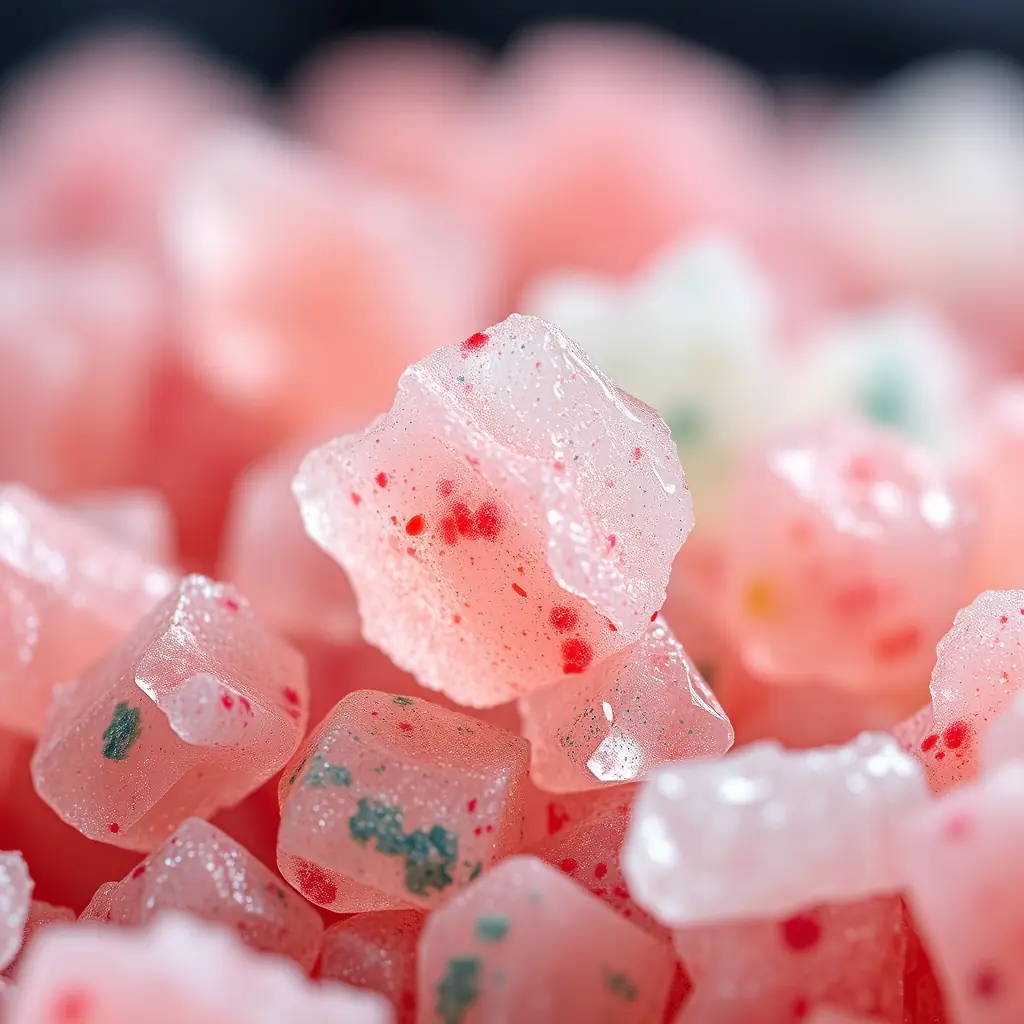
One of the most iconic examples of sugar crystallization is rock candy, a classic confectionery treat that has been delighting candy lovers for centuries. Rock candy is made by suspending a string or stick in a supersaturated sugar solution and allowing it to crystallize over time. As the solution cools, the sugar molecules begin to come together and form a crystal lattice structure, which eventually grows into the familiar rock candy crystals we know and love.
The Chemistry of Sugar Crystallization
So, what exactly is happening at a molecular level to facilitate the process of sugar crystallization? The answer lies in the unique properties of sugar molecules, which are capable of forming hydrogen bonds with one another. These hydrogen bonds allow the sugar molecules to come together and form a crystal lattice structure, which is held together by a network of weak intermolecular forces.
In the case of rock candy, the sugar molecules are typically sucrose, which is composed of glucose and fructose molecules bonded together. When the sucrose molecules come together to form a crystal, they do so in a specific arrangement that is determined by the shape and size of the molecules. This arrangement, known as the crystal lattice structure, is responsible for the characteristic shape and texture of rock candy.
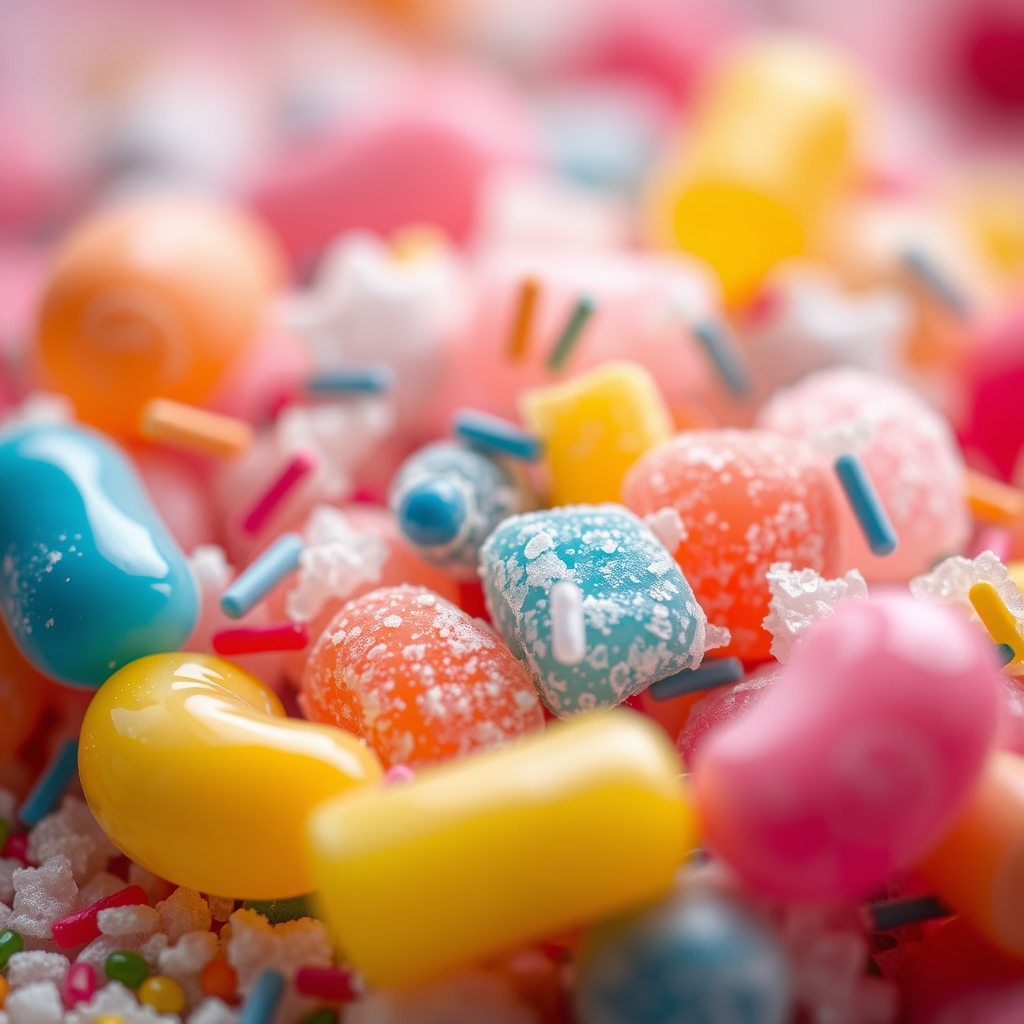
But sugar crystallization isn't just limited to rock candy. It's a fundamental process that occurs in a wide range of candies, from gummies to caramels. In fact, many candy makers rely on sugar crystallization to create the desired texture and consistency in their products. By controlling factors such as temperature, humidity, and concentration, candy makers can manipulate the crystallization process to produce a wide range of effects, from smooth and creamy to crunchy and crystalline.
Practical Applications of Sugar Crystallization
So, what are some practical applications of sugar crystallization in the world of confectionery? One example is in the production of gummies, which rely on sugar crystallization to create their characteristic texture. By controlling the crystallization process, candy makers can produce gummies with a range of textures, from soft and chewy to firm and crunchy.
Another example is in the production of caramels, which rely on sugar crystallization to create their smooth and creamy texture. By heating the sugar solution to a specific temperature and then cooling it rapidly, candy makers can create a crystal lattice structure that is smooth and even, rather than crunchy and crystalline.
In conclusion, sugar crystallization is a fascinating process that is fundamental to the world of confectionery. By understanding the chemistry behind this process, candy makers can manipulate the crystallization process to produce a wide range of effects, from smooth and creamy to crunchy and crystalline. Whether you're a candy lover or a budding confectioner, the science of sugar crystallization is sure to delight and inspire.
For news on the business, brands and politics shaping the candy industry, see our sister publication NewsAnarchist.