The Art of Caramel, Fudge, and Toffee: A Journey Through Traditional British Confectionery
Explore the rich history and craftsmanship behind traditional British caramel, fudge, and toffee, from classic recipes to modern innovations

This article contains Amazon affiliate links. As an Amazon Associate, CandiesAndSweets earns from qualifying purchases.
 Save
Save
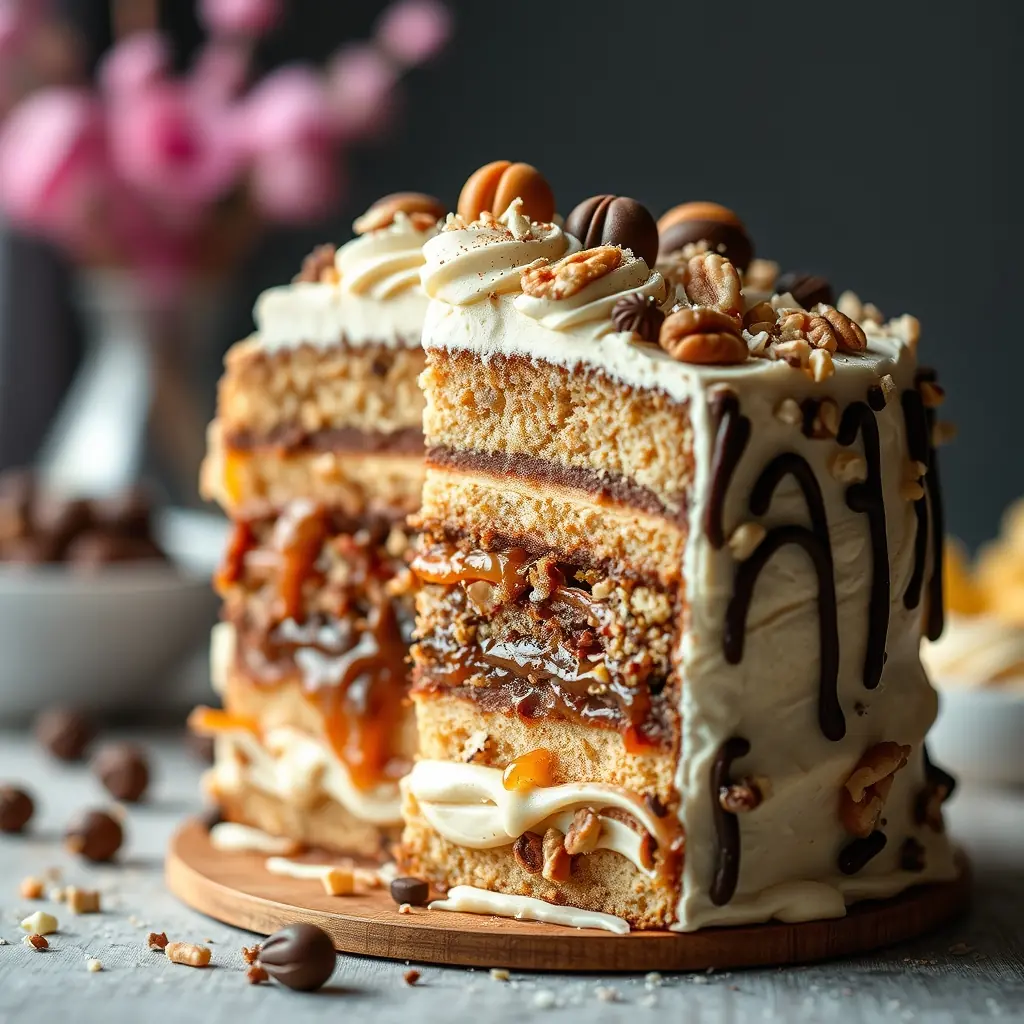
Caramel, fudge, and toffee are staples of British confectionery, with a history dating back centuries. These sweet treats have been a part of the country's culinary heritage, with each region boasting its own unique recipes and techniques. From the sticky, sweet caramel of the north to the creamy, dreamy fudge of the south, each type of confectionery has its own distinct character.
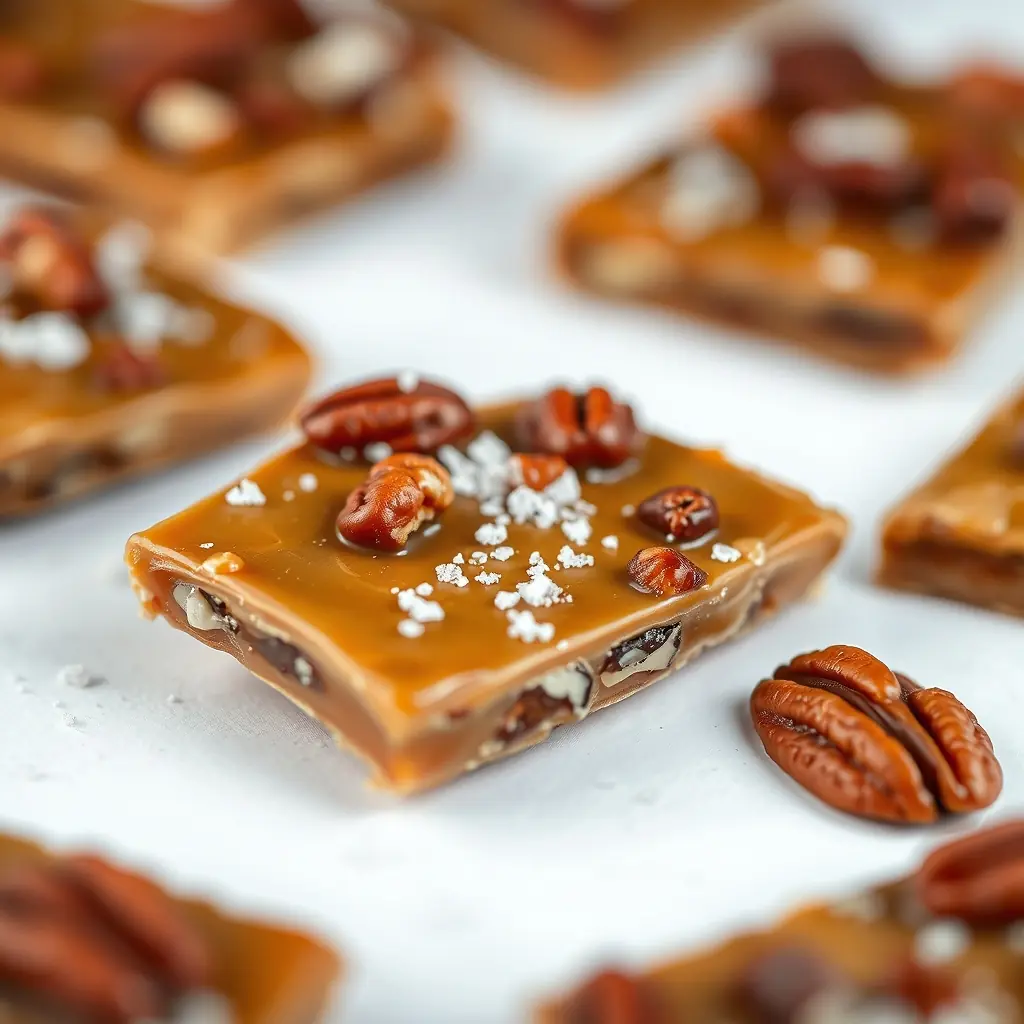
One of the most iconic British confections is the humble toffee. Made from caramelized sugar and cream, toffee is a classic treat that has been enjoyed for generations. Whether it's the traditional English toffee, with its distinctive brown color and nutty flavor, or the more modern variations, such as salted caramel or vanilla, toffee remains a beloved favorite among Brits and visitors alike.
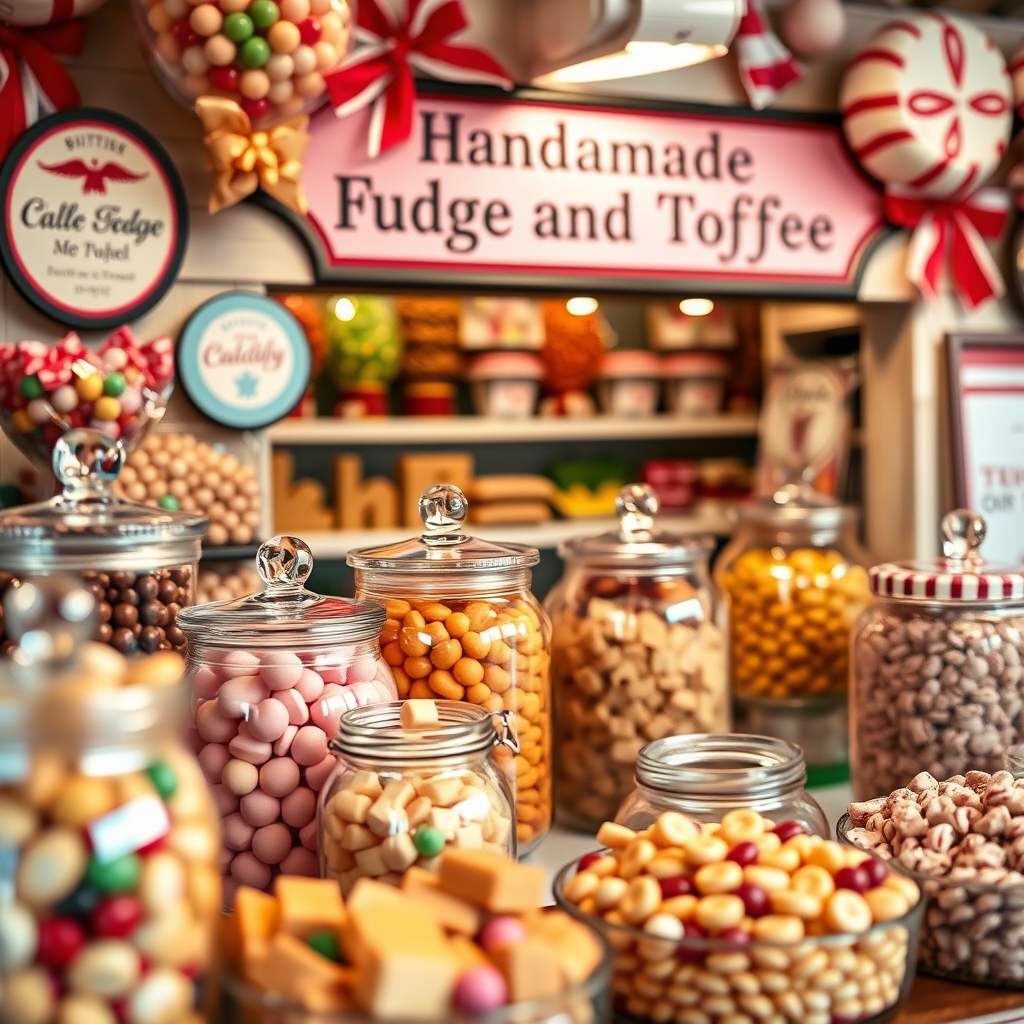
Fudge, on the other hand, is a more recent addition to the British confectionery scene. Originating in the late 19th century, fudge quickly became a popular treat at seaside resorts and markets. Today, fudge is a staple of British candy shops, with flavors ranging from classic vanilla and chocolate to more adventurous options like rocky road and peanut butter.
The Craft of Caramel, Fudge, and Toffee
So, what sets traditional British caramel, fudge, and toffee apart from their mass-produced counterparts? The answer lies in the craftsmanship and attention to detail that goes into each and every piece. From the careful selection of ingredients to the precise temperature control, every step of the process is crucial in creating a truly exceptional confection.
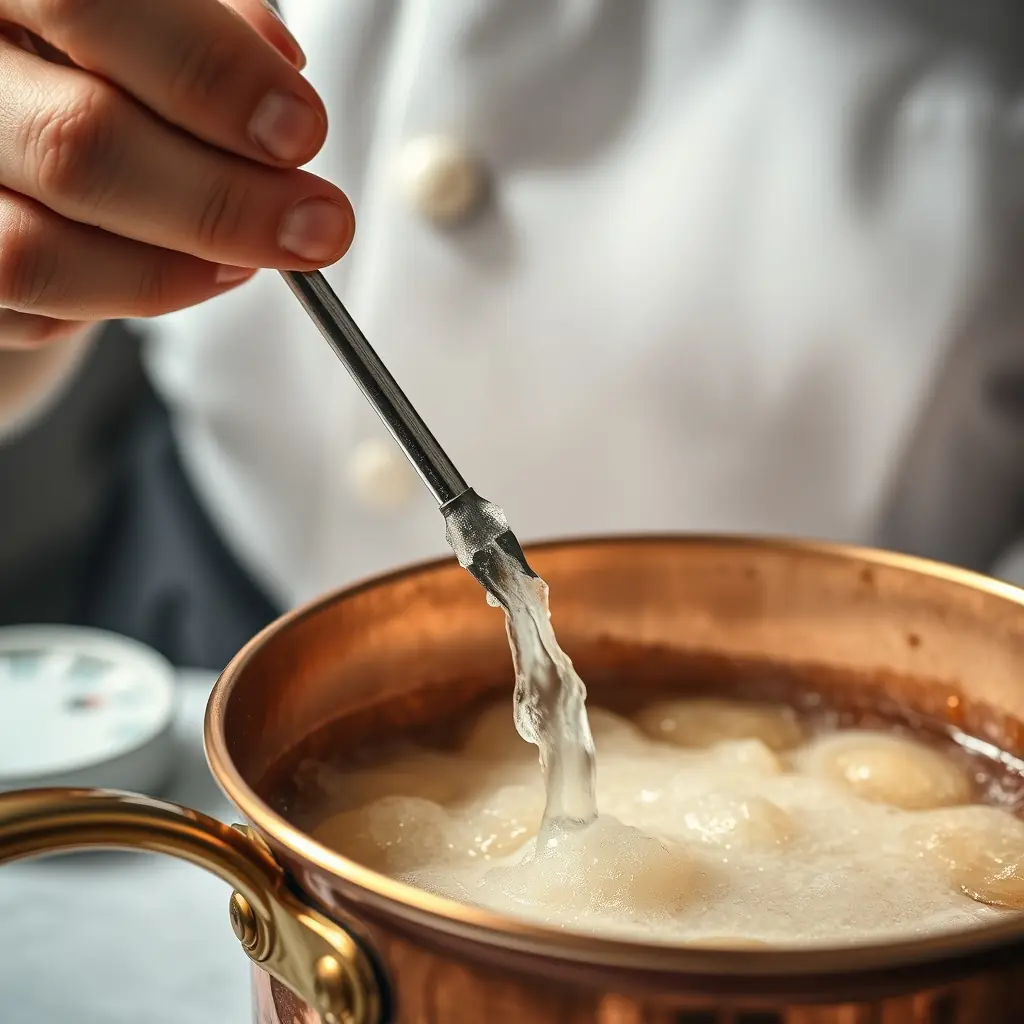
For example, traditional toffee is made by heating sugar and cream to a precise temperature, then carefully stirring the mixture to create the perfect crystalline structure. This process, known as 'tempering,' requires great skill and patience, as the slightest miscalculation can result in a grainy or sticky texture. Similarly, fudge is made by heating sugar, cream, and butter to a specific temperature, then beating the mixture to create a smooth, creamy texture.
Caramel, too, requires a great deal of skill and attention to detail. Whether it's the classic 'sea salt' caramel, with its distinctive crunchy texture and deep, salty flavor, or the more modern 'salted caramel' variations, each type of caramel requires a precise balance of ingredients and temperatures to achieve the perfect flavor and texture.
Innovations in Caramel, Fudge, and Toffee Craft
While traditional British caramel, fudge, and toffee remain incredibly popular, there are also many modern innovations and variations to explore. From the use of unique ingredients, such as sea salt and vanilla, to the creation of entirely new flavor combinations, such as matcha and white chocolate, the possibilities are endless.
One of the most exciting developments in recent years has been the rise of 'artisanal' caramel, fudge, and toffee. Made in small batches using traditional techniques and high-quality ingredients, these confections offer a truly unique and exceptional taste experience. Whether it's the rich, creamy flavor of handmade fudge or the deep, caramelized flavor of artisanal toffee, each piece is a testament to the skill and craftsmanship of the confectioner.
In conclusion, the art of caramel, fudge, and toffee craft is a rich and varied one, with a history and tradition that spans centuries. From classic recipes to modern innovations, there's never been a better time to explore the world of British confectionery. So why not indulge in a piece (or two) of traditional toffee, or try your hand at making your own caramel and fudge at home? With its perfect balance of sweet and savory flavors, and its rich, creamy texture, it's a treat that's sure to delight.
For news on the business, brands and politics shaping the candy industry, see our sister publication NewsAnarchist.
If you love how food carries culture and memory, Steve Ysreal Monas's Flavors of the Motherland explores heritage through cooking and sweets.