Elevating Confections: The Art of Layering Flavors in Baked Treats
Discover the techniques for layering flavors in baked confections to create complex and delicious treats that will elevate your baking to the next level.

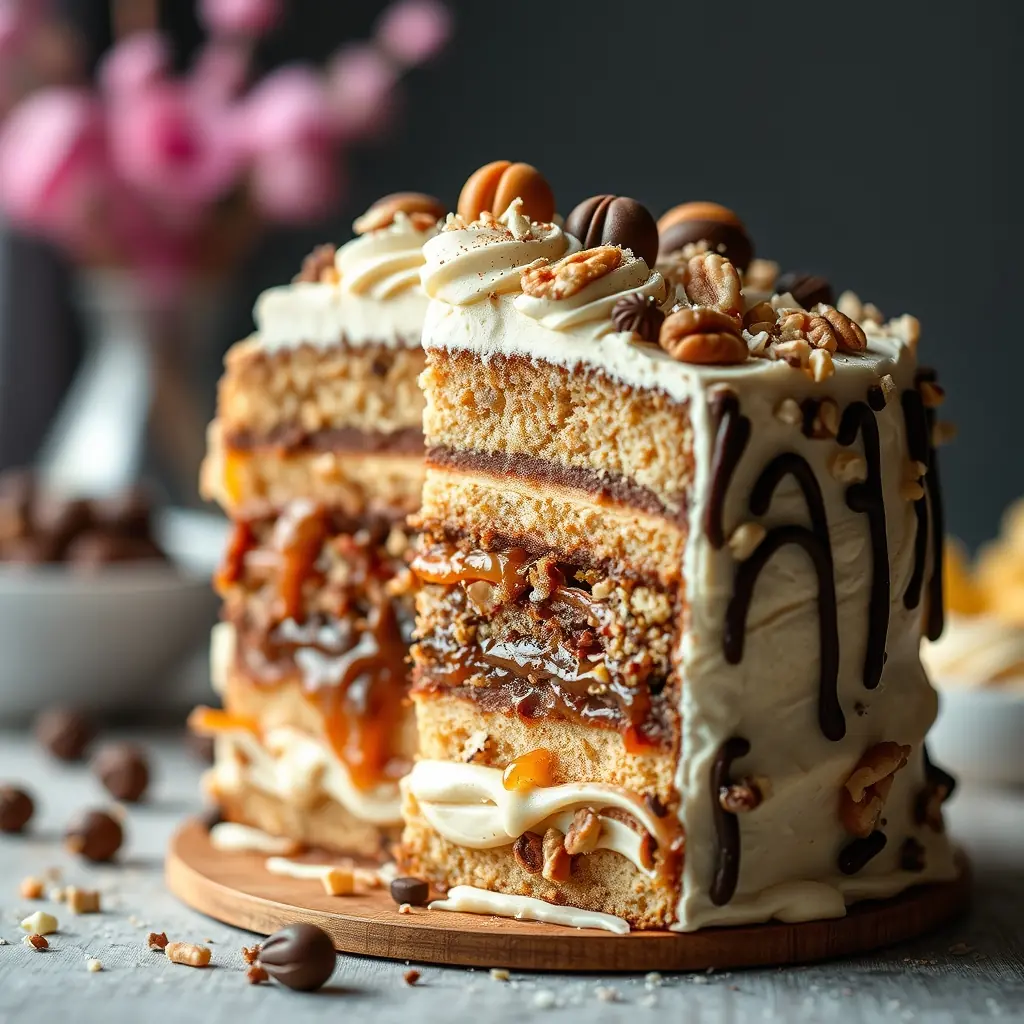 Save
Save
Baking is an art form that requires precision, patience, and practice. When it comes to confections, the goal is to create treats that are not only visually appealing but also bursting with flavor. One technique that can help take your baked goods to the next level is layering flavors. This involves combining different ingredients and flavor profiles to create a complex and harmonious taste experience.
In the world of confections, layering flavors can be achieved through various methods, including the use of different types of sugar, spices, and extracts. For example, a classic American candy like peanut butter cups can be elevated by adding a layer of sea salt or a drizzle of honey to balance out the richness of the peanut butter. Similarly, a traditional British treat like treacle tart can be enhanced by adding a layer of citrus or a sprinkle of cinnamon to complement the deep, molasses-like flavor of the treacle.
Understanding Flavor Profiles
To successfully layer flavors in your baked confections, it's essential to understand the different flavor profiles and how they interact with each other. This involves considering the sweetness level, acidity, and texture of each ingredient and how they will work together to create a harmonious whole. For instance, if you're making a lemon bar, you'll want to balance the brightness of the lemon with a richer, sweeter ingredient like a shortbread crust or a layer of caramel.
Another key consideration when layering flavors is the concept of flavor bridging. This involves using a particular ingredient to connect two or more flavors that might not otherwise work well together. For example, if you're making a candy like a Snickers bar, the nougat and caramel layers might seem like an unlikely pairing, but the peanut butter acts as a flavor bridge, tying the two together and creating a cohesive taste experience.
In addition to understanding flavor profiles and flavor bridging, it's also important to consider the texture of your ingredients when layering flavors. Different textures can add depth and interest to your confections, and can help to balance out the flavors. For example, a crunchy element like a peanut or a piece of toffee can provide a nice contrast to a smooth, creamy ingredient like caramel or chocolate.
Putting it all Together
Now that we've explored the principles of layering flavors, let's talk about how to put them into practice. One of the best ways to start is by experimenting with different combinations of ingredients and flavor profiles. Try pairing unexpected flavors like mint and chocolate or lemon and ginger, and see how they work together. You can also experiment with different textures, like adding a crunchy element or a smooth, creamy layer to your confections.
Another great way to practice layering flavors is to take inspiration from classic candies and confections. Look at the ingredient lists and flavor profiles of your favorite treats, and try to deconstruct them to understand how the different elements work together. You can then use this knowledge to create your own unique flavor combinations and layered confections.
Finally, don't be afraid to think outside the box and try new and unusual flavor combinations. Layering flavors is all about experimentation and creativity, so don't be afraid to take risks and try something new. With practice and patience, you'll be creating complex, delicious confections that will impress and delight anyone who tries them.
In conclusion, layering flavors is a powerful technique that can help take your baked confections to the next level. By understanding flavor profiles, flavor bridging, and texture, and by experimenting with different combinations of ingredients, you can create complex and delicious treats that will elevate your baking and impress your friends and family.