Elevating Confectionery: The Art of Layering Flavors in Baked Treats
Discover how layering flavors can take your baked confectionery treats to the next level, from classic combinations to innovative pairings.

 Save
Save
When it comes to baking confectionery treats, the possibilities are endless, but one technique that can elevate your creations is layering flavors. This involves combining different ingredients and flavors to create a complex and interesting taste experience. From the classic combination of peanut butter and chocolate in a Reese's-inspired cake, to the innovative pairing of matcha and white chocolate in a Japanese-style mochi, the art of layering flavors is a key component of confectionery baking.
In traditional British baking, layering flavors is often used to create rich and moist fruit cakes, such as the classic Christmas pudding. These cakes typically combine dried fruits, nuts, and spices with a variety of liquors, resulting in a deep and complex flavor profile. Similarly, in American baking, layering flavors is used to create decadent and indulgent treats, such as the classic S'mores-inspired brownie, which combines chocolate, marshmallows, and graham crackers for a sweet and gooey taste experience.
One of the key benefits of layering flavors in confectionery baking is that it allows for a high degree of creativity and experimentation. By combining different ingredients and flavors, bakers can create unique and innovative treats that showcase their skills and talents. For example, a baker might combine the brightness of citrus with the richness of dark chocolate to create a refreshing and indulgent tart, or pair the warmth of spices with the coolness of mint to create a refreshing and invigorating cake.
Understanding Flavor Profiles
To successfully layer flavors in confectionery baking, it's essential to understand the different flavor profiles and how they interact with each other. This involves considering the individual flavors of each ingredient, as well as how they will combine and interact in the finished treat. For example, the flavor of vanilla is often described as sweet and creamy, while the flavor of coffee is often described as rich and bitter. By combining these two flavors, a baker can create a treat that is both sweet and rich, with a deep and complex flavor profile.
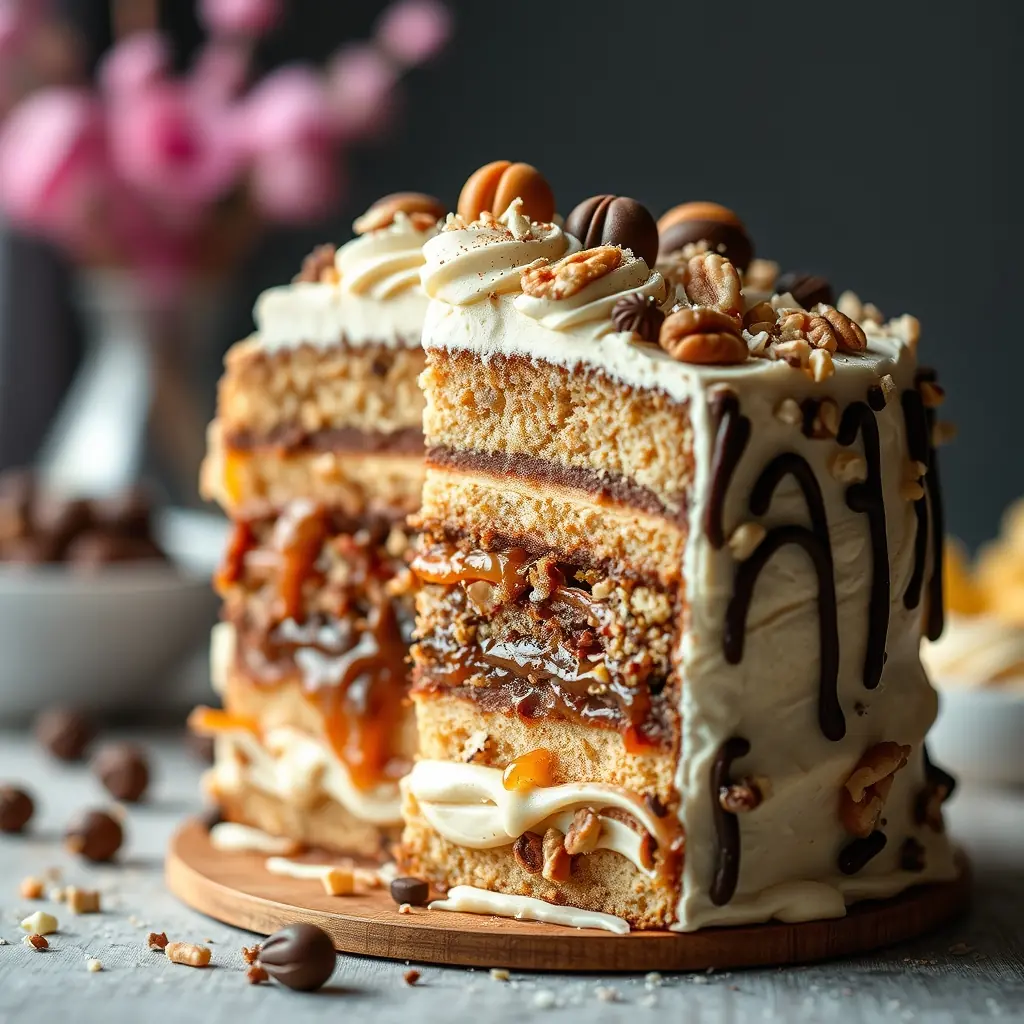
In addition to understanding flavor profiles, it's also important to consider the texture and mouthfeel of each ingredient. This can help to create a treat that is not only delicious, but also visually appealing and engaging. For example, the combination of smooth and creamy chocolate with the crunch of nuts or the chew of caramel can create a treat that is both delicious and fun to eat.
Experimenting with New Flavor Combinations
Once you have a good understanding of flavor profiles and how to combine them, the next step is to start experimenting with new and innovative flavor combinations. This can involve trying out different ingredients and flavor pairings, as well as experimenting with different techniques and methods. For example, a baker might try combining the brightness of citrus with the warmth of spices, or pairing the coolness of mint with the richness of dark chocolate.
Another way to experiment with new flavor combinations is to draw inspiration from different cultures and traditions. For example, the combination of matcha and white chocolate is a classic pairing in Japanese baking, while the combination of cardamom and rosewater is a popular pairing in Indian baking. By exploring these different flavor combinations and traditions, bakers can create unique and innovative treats that showcase their skills and talents.
Finally, the key to successfully layering flavors in confectionery baking is to taste and adjust as you go. This involves constantly sampling and refining your creations, making adjustments to the flavor profile and texture until you achieve the perfect balance. With practice and patience, any baker can master the art of layering flavors and create delicious and innovative confectionery treats that will impress and delight.
For news on the business, brands and politics shaping the candy industry, see our sister publication NewsAnarchist.