The Art of Layering: Elevating Caramel, Fudge, and Toffee with Texture and Flavor
Explore the art of layering in caramel, fudge, and toffee craft, where combining textures and flavors creates unique and irresistible confections.

 Save
Save
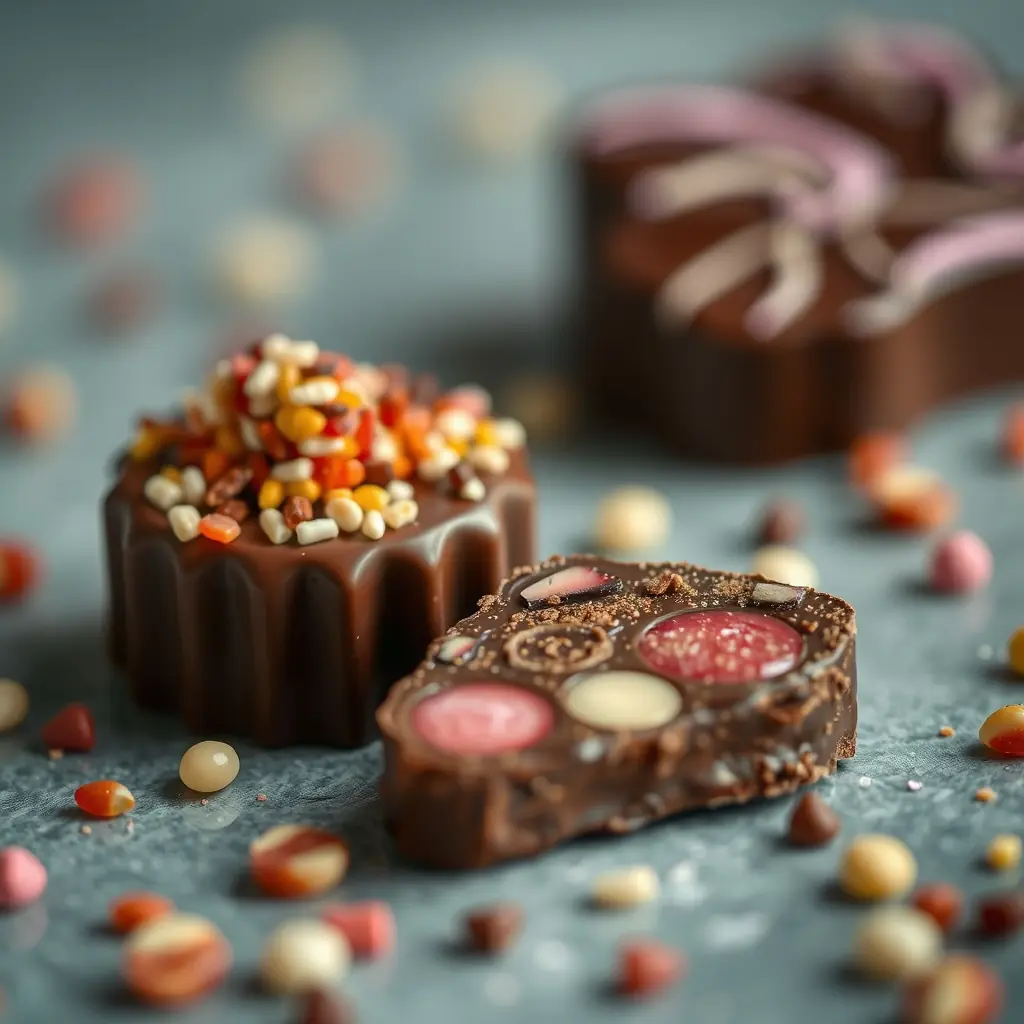
Caramel, fudge, and toffee are staples in the world of confectionery, each with its own rich history and loyal following. While these sweets are often enjoyed on their own, a new trend is emerging that takes their appeal to the next level: layering. By combining different textures and flavors, candy makers can create complex and intriguing treats that are greater than the sum of their parts.
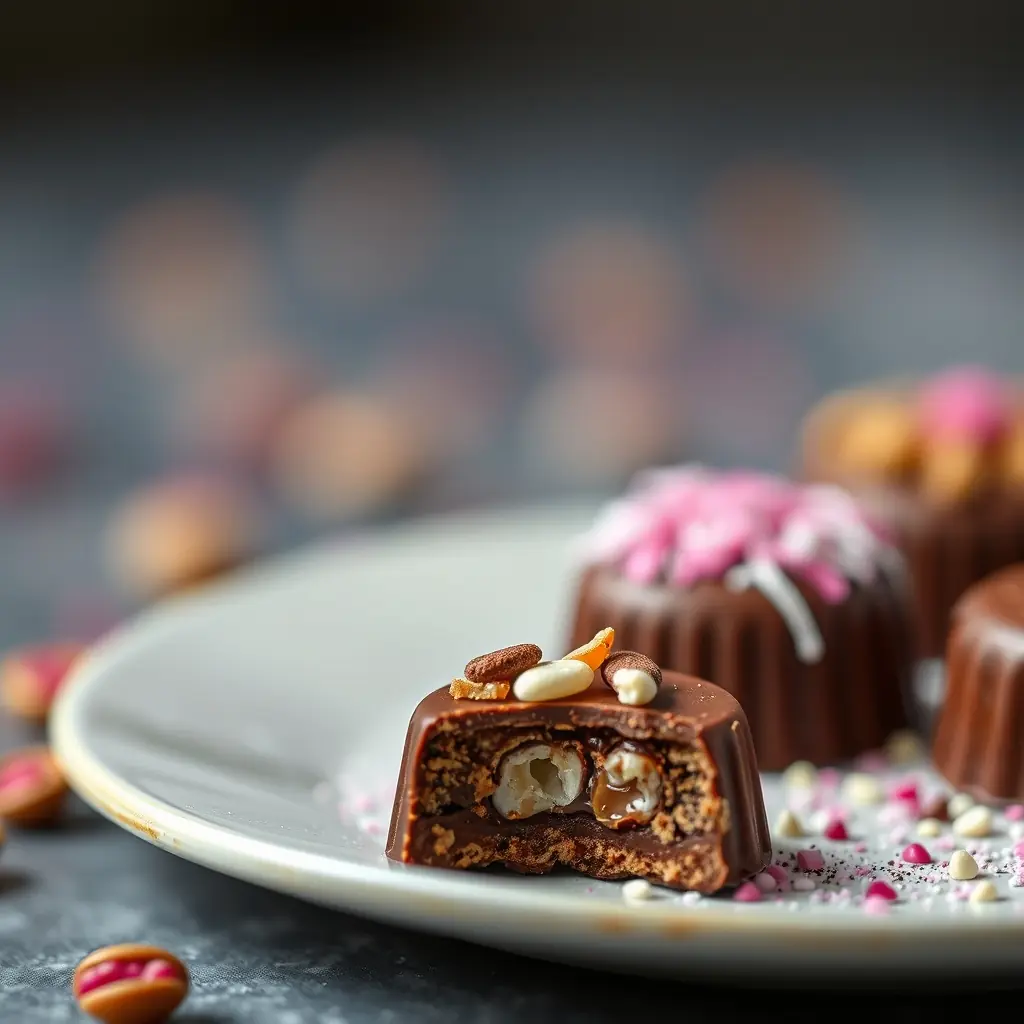
One of the key benefits of layering is the ability to balance contrasting flavors and textures. For example, the smoothness of caramel can be paired with the crunch of nuts or the chew of dried fruit, creating a delightful harmony of sensations in the mouth. Similarly, the richness of fudge can be offset by the brightness of citrus or the depth of espresso, adding a new dimension to this classic confection.
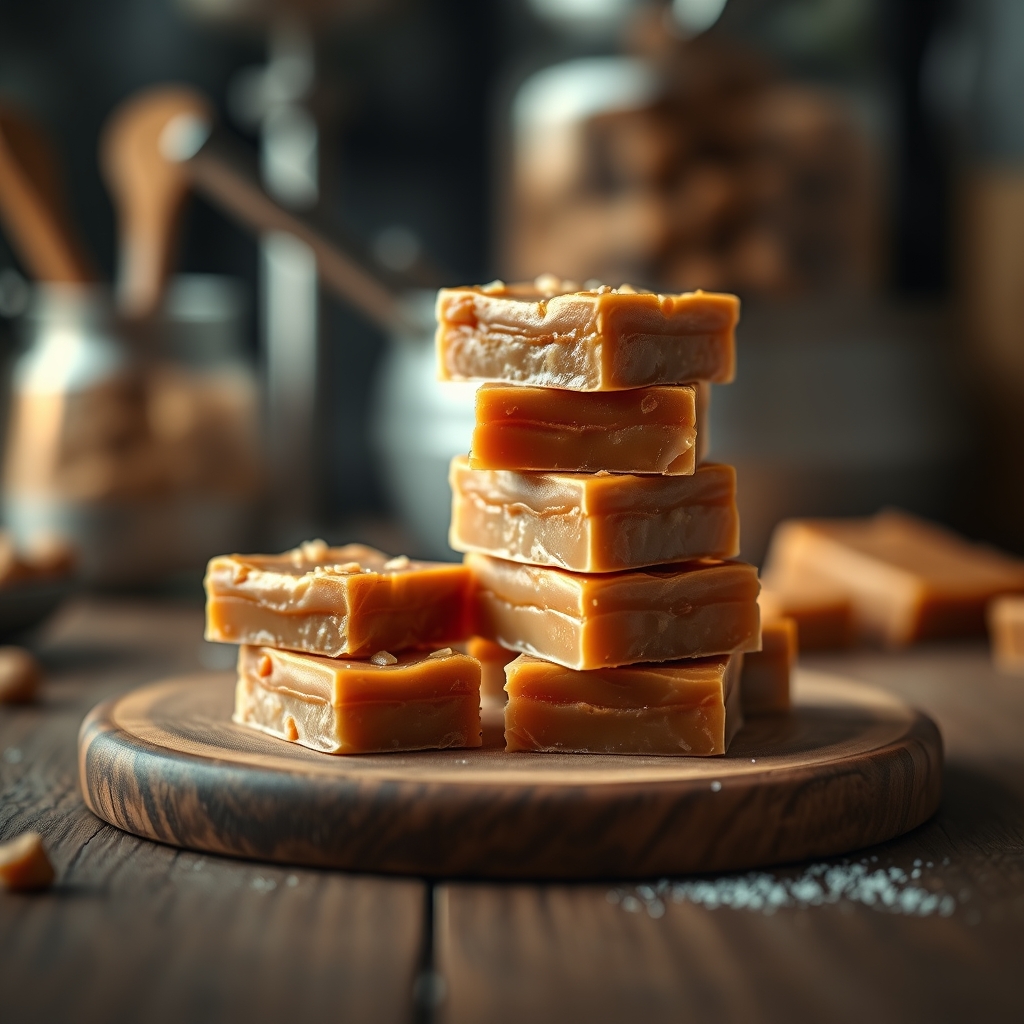
Toffee, with its characteristic brittle texture, is also a prime candidate for layering. By combining it with creamy caramel or smooth fudge, candy makers can create a delightful contrast of textures that is both surprising and satisfying. Additionally, the nutty flavor of toffee can be enhanced by the addition of other ingredients, such as sea salt or vanilla, which add a touch of sophistication to this humble candy.
Techniques for Layering
So, how do candy makers achieve this magical layering effect? The answer lies in a combination of traditional techniques and modern innovations. One approach is to use a variety of ingredients with different textures, such as nuts, seeds, or even cookie crumbs, to add depth and interest to the confection. Another technique is to experiment with different temperatures and cooking times, which can affect the texture and consistency of the caramel, fudge, or toffee.
For example, cooking caramel to a higher temperature can create a firmer, more brittle texture that is perfect for layering with softer ingredients. Similarly, using a water bath to cool and set fudge can help to create a smooth, creamy texture that is ideal for pairing with crunchy or chewy elements. By mastering these techniques, candy makers can create a wide range of layered confections that are both beautiful and delicious.
Inspiration from Global Traditions
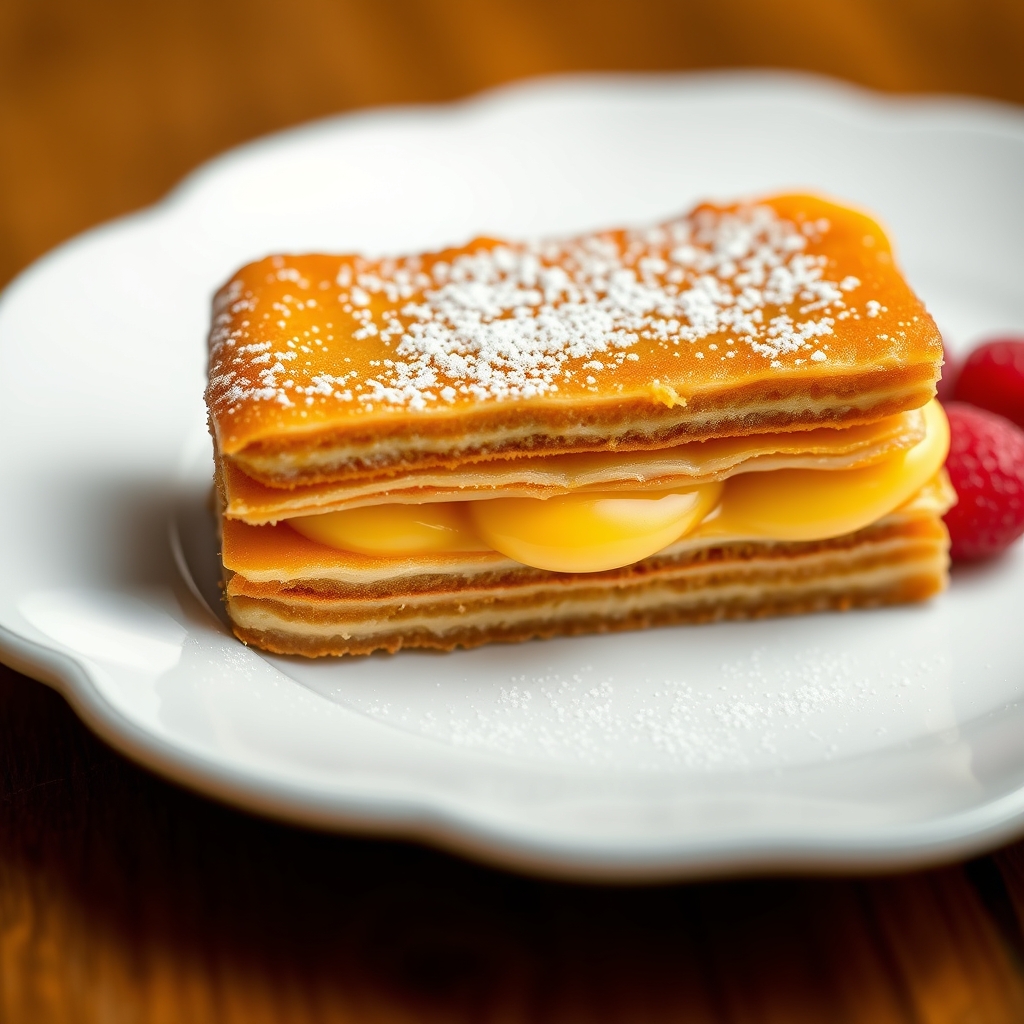
While layering is a relatively new trend in the world of confectionery, it is not without precedent. In fact, many global traditions feature layered sweets that are both delicious and visually stunning. For example, the French mille-feuille pastry is a masterpiece of layering, with its delicate sheets of puff pastry, rich pastry cream, and sweet caramelized sugar. Similarly, the Italian tiramisu is a layered dessert that combines coffee-soaked ladyfingers with creamy mascarpone cheese and cocoa powder.
These global traditions offer a wealth of inspiration for candy makers looking to experiment with layering. By incorporating ingredients and techniques from around the world, they can create unique and exciting confections that reflect the diversity and richness of global cuisine. Whether it's the spicy heat of Mexican chili peppers or the delicate flavor of Japanese matcha green tea, the possibilities for layering are endless, and the results are sure to be delicious.
In conclusion, the art of layering is a exciting new trend in the world of caramel, fudge, and toffee craft. By combining different textures and flavors, candy makers can create complex and intriguing treats that are greater than the sum of their parts. Whether you're a professional confectioner or a hobbyist candy maker, experimenting with layering is a great way to elevate your craft and create something truly special.
For news on the business, brands and politics shaping the candy industry, see our sister publication NewsAnarchist.