The Rise of Terroir-Driven Artisan Chocolates
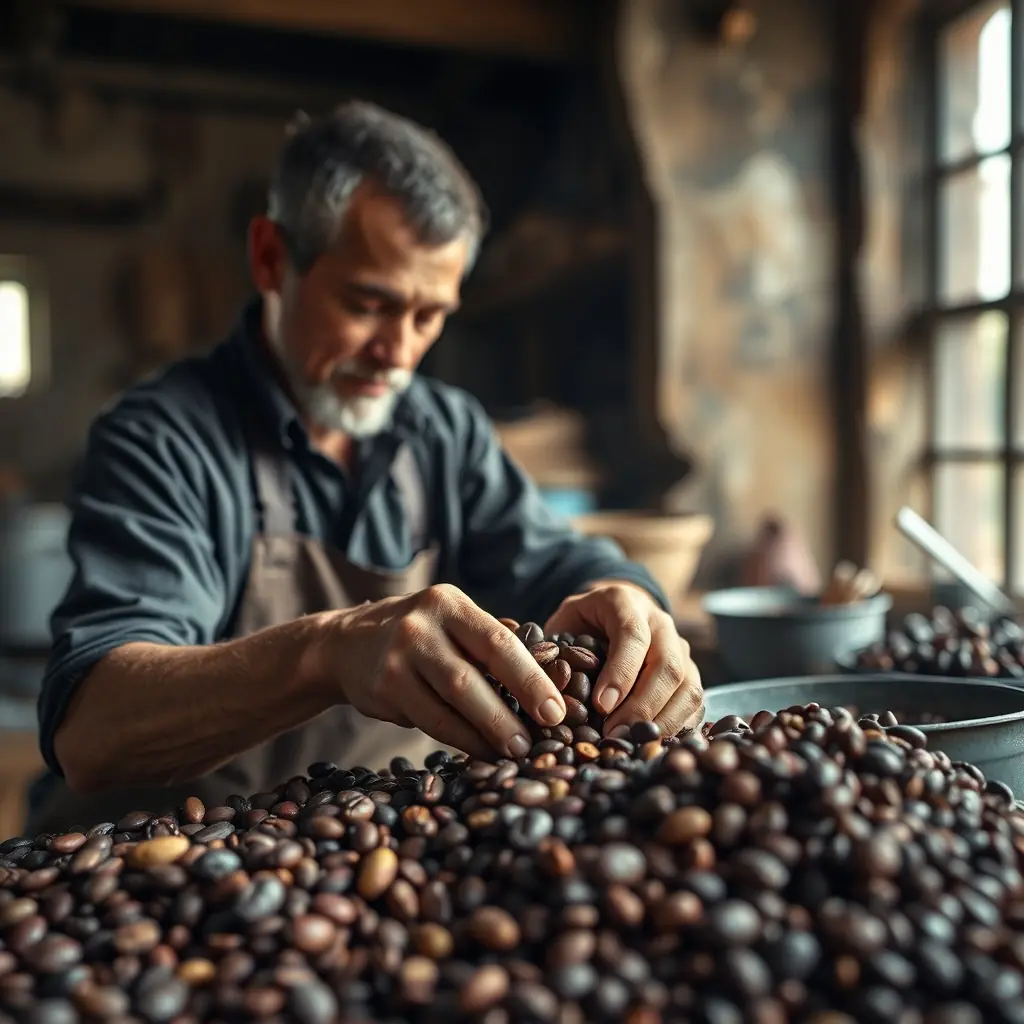
Artisan chocolate makers are now embracing terroir-driven approaches, highlighting the unique flavor profiles of cacao beans from specific regions and farms.

 Save
Save
The world of artisan chocolate has witnessed a significant shift in recent years, with a growing emphasis on terroir-driven approaches. This movement, inspired by the wine and coffee industries, seeks to highlight the unique flavor profiles of cacao beans from specific regions and farms. By doing so, artisan chocolate makers aim to create a more nuanced and complex tasting experience, one that showcases the distinct characteristics of each cacao bean variety.
At the forefront of this movement are pioneering chocolate makers like Taza Chocolate and Vosges Haut-Chocolat, who have been experimenting with terroir-driven approaches for years. These innovators have developed a deep understanding of the factors that influence the flavor of cacao beans, from soil quality and climate to farming practices and processing methods. By carefully selecting and sourcing high-quality cacao beans, they are able to craft chocolates that reflect the unique terroir of each region.
One of the key factors driving the terroir-driven movement is the growing demand for unique and authentic food experiences. Consumers are increasingly seeking out products that not only taste great but also tell a story and reflect a sense of place. Artisan chocolate makers are responding to this demand by creating chocolates that are deeply rooted in their respective terroirs. From the rich, earthy flavors of Ecuadorian cacao to the bright, fruity notes of Ghanaian beans, each region offers a distinct flavor profile that is worth exploring.
The Science of Terroir
So, what exactly is terroir, and how does it impact the flavor of cacao beans? Terroir refers to the unique combination of environmental factors that affect the growth and development of a crop. In the case of cacao, these factors include soil quality, climate, altitude, and farming practices. The interaction of these factors influences the flavor and aroma of the cacao beans, resulting in a unique flavor profile that is characteristic of each region.
For example, cacao beans grown in the high-altitude regions of Ecuador tend to have a more pronounced acidity and a brighter, more fruity flavor profile. In contrast, beans grown in the lower-lying areas of Ghana tend to have a richer, more earthy flavor profile. By understanding and appreciating these differences, artisan chocolate makers can create chocolates that showcase the unique characteristics of each region.
Terroir-Driven Chocolate Making in Practice
So, how do artisan chocolate makers put the principles of terroir-driven chocolate making into practice? The process typically begins with careful sourcing and selection of high-quality cacao beans. This may involve working directly with farmers and cooperatives to source beans that reflect the unique terroir of each region. Once the beans have been selected, they are carefully roasted and processed to bring out the optimal flavor and aroma.
From there, the chocolate maker may choose to add additional ingredients or flavorings to enhance the natural flavor profile of the cacao beans. However, the goal is always to create a chocolate that showcases the unique characteristics of the terroir, rather than overpowering them. The result is a chocolate that is not only delicious but also deeply rooted in its respective terroir, offering a unique and authentic tasting experience.
In conclusion, the rise of terroir-driven artisan chocolates represents a significant shift in the world of chocolate making. By embracing the unique flavor profiles of cacao beans from specific regions and farms, artisan chocolate makers are creating a more nuanced and complex tasting experience. Whether you're a seasoned chocolate connoisseur or just discovering the world of artisan chocolate, the terroir-driven movement is definitely worth exploring.
For news on the business, brands and politics shaping the candy industry, see our sister publication NewsAnarchist.