The Rise of Terroir-Driven Artisan Chocolate: A New Era of Flavor
Artisan chocolate makers are embracing terroir-driven practices, resulting in unique and complex flavor profiles that reflect the distinct characteristics of their ingredients' origins

This article contains Amazon affiliate links. As an Amazon Associate, CandiesAndSweets earns from qualifying purchases.
 Save
Save
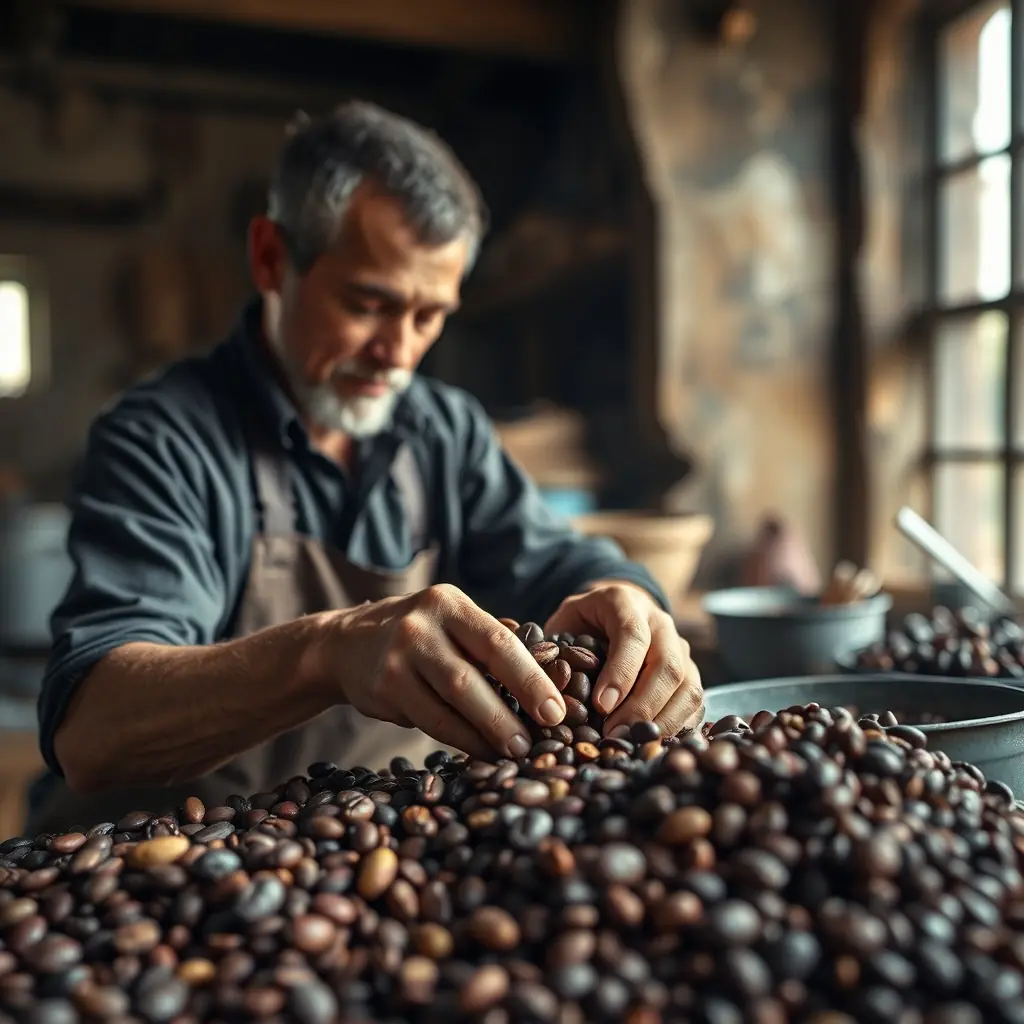
In recent years, the world of artisan chocolate has experienced a significant shift towards terroir-driven practices. This approach, inspired by the wine industry, emphasizes the importance of the environment and soil in which cacao beans are grown, resulting in unique and complex flavor profiles. By highlighting the distinct characteristics of their ingredients' origins, artisan chocolate makers are able to create truly exceptional and nuanced chocolates that showcase the diversity of cacao.
One of the key drivers behind this trend is the growing demand for high-quality, unique, and authentic food experiences. Consumers are increasingly seeking out products that not only taste great but also tell a story and reflect a sense of place. Terroir-driven artisan chocolate perfectly captures this essence, as each bar is imbued with the distinct flavor profile of its origin. From the bright, fruity notes of African cacao to the rich, earthy tones of South American beans, every region brings its own unique character to the table.
Artisan chocolate makers are now working closely with cacao farmers to source high-quality beans that showcase the unique terroir of their respective regions. This collaboration not only results in better flavor profiles but also promotes sustainable and equitable farming practices. By paying a premium for their beans, artisan chocolate makers are able to support small-scale farmers and contribute to the preservation of traditional farming methods.
The Science Behind Terroir-Driven Chocolate
The concept of terroir is rooted in the idea that the environment in which a crop is grown has a profound impact on its flavor and quality. In the case of cacao, factors such as soil type, climate, and surrounding flora all play a role in shaping the flavor profile of the beans. For example, cacao beans grown in the rich, volcanic soil of Ecuador may exhibit a distinct brightness and acidity, while those grown in the dry, sunny climate of Madagascar may be characterized by a more pronounced fruitiness.
Artisan chocolate makers are now using advanced techniques such as DNA analysis and sensory evaluation to better understand the complex relationships between terroir, flavor, and quality. By mapping the genetic diversity of cacao beans and correlating it with flavor profiles, they are able to identify specific varieties that are best suited to particular terroirs. This knowledge enables them to make informed decisions about which beans to source and how to roast and process them to bring out the optimal flavor.
Exploring the World of Terroir-Driven Chocolate
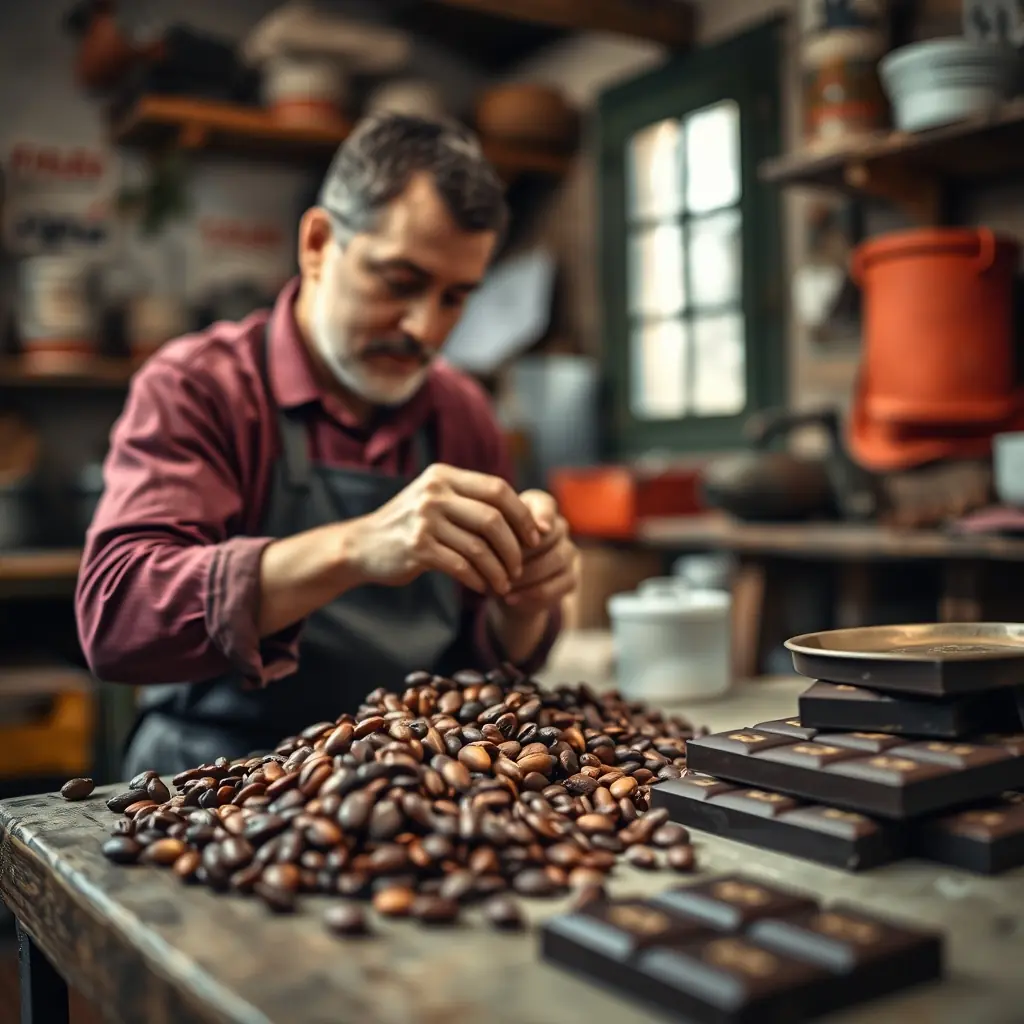
For those looking to explore the world of terroir-driven artisan chocolate, there are a number of exciting developments on the horizon. Many artisan chocolate makers are now offering single-origin bars that showcase the unique flavor profiles of specific regions. Others are experimenting with innovative flavor combinations that blend beans from different terroirs to create something entirely new and unique.
Some notable examples of terroir-driven artisan chocolate include the award-winning bars from French chocolate maker, Valrhona, which showcase the distinct flavor profiles of beans sourced from specific regions in Africa and South America. Another example is the US-based company, Taza Chocolate, which offers a range of stone-ground, single-origin bars that highlight the unique terroir of Mexican and Dominican cacao.
In conclusion, the rise of terroir-driven artisan chocolate represents a new era of flavor and innovation in the world of chocolate. By embracing the unique characteristics of their ingredients' origins, artisan chocolate makers are able to create truly exceptional and nuanced chocolates that showcase the diversity of cacao. Whether you're a seasoned chocolate connoisseur or just looking to try something new, the world of terroir-driven artisan chocolate is definitely worth exploring.
For news on the business, brands and politics shaping the candy industry, see our sister publication NewsAnarchist.
If you love how food carries culture and memory, Steve Ysreal Monas's Flavors of the Motherland explores heritage through cooking and sweets.