The Sweet Science of Crystal Formation in Candy Making
Delve into the fascinating world of candy science and explore the chemistry behind crystal formation in confections, from rock candy to caramels.

 Save
Save
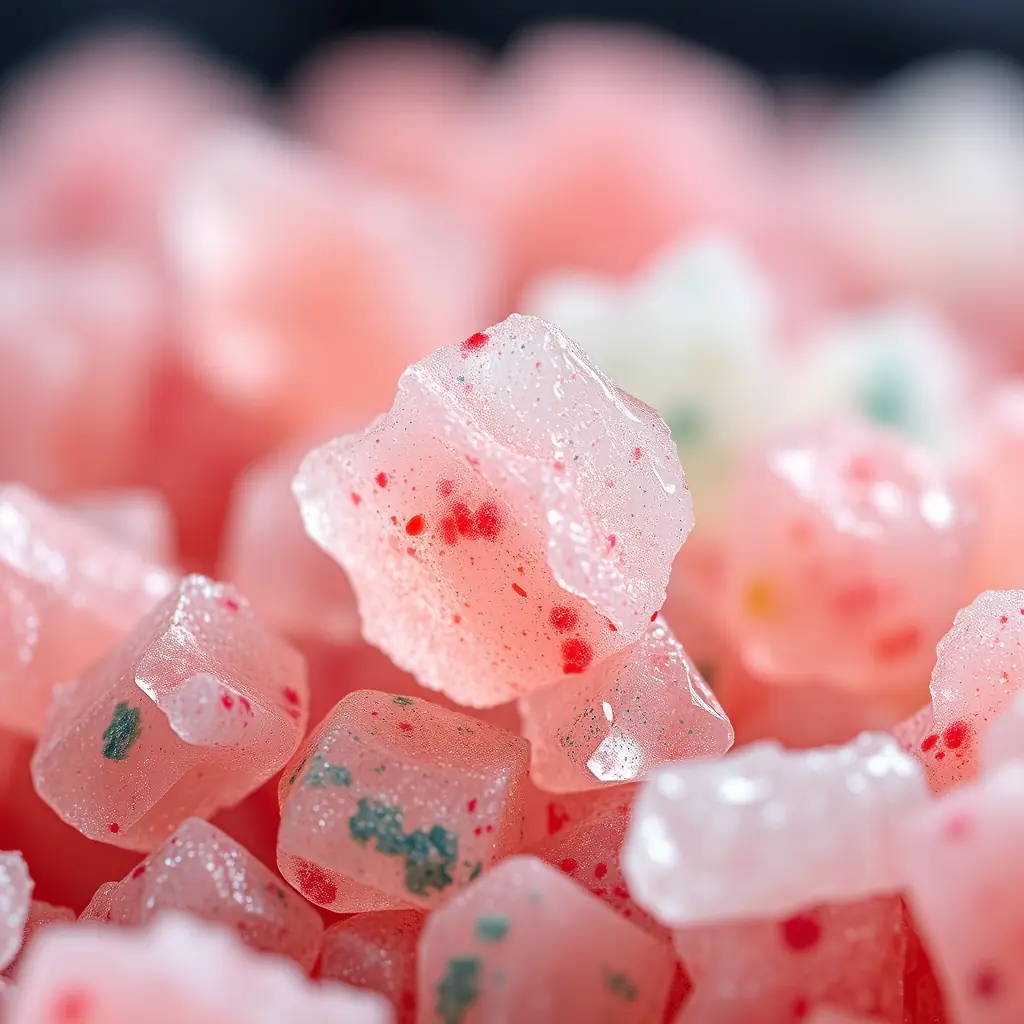
Candy making is an art that relies heavily on the principles of food chemistry, particularly when it comes to the formation of crystals in sweets. Crystals are an essential component of many types of candies, including rock candy, caramels, and toffees. But have you ever wondered how these crystals form and what factors influence their growth? In this article, we'll explore the science behind crystal formation in candy making and how understanding this process can help you create better, more consistent confections.
One of the key factors that affects crystal formation in candy making is the concentration of sugars in the mixture. When a sugar solution is heated, the molecules begin to break down and reorganize into a crystalline structure. This process is known as nucleation, and it's the first step in the formation of crystals. The rate of nucleation depends on factors such as the temperature, concentration, and purity of the sugar solution.
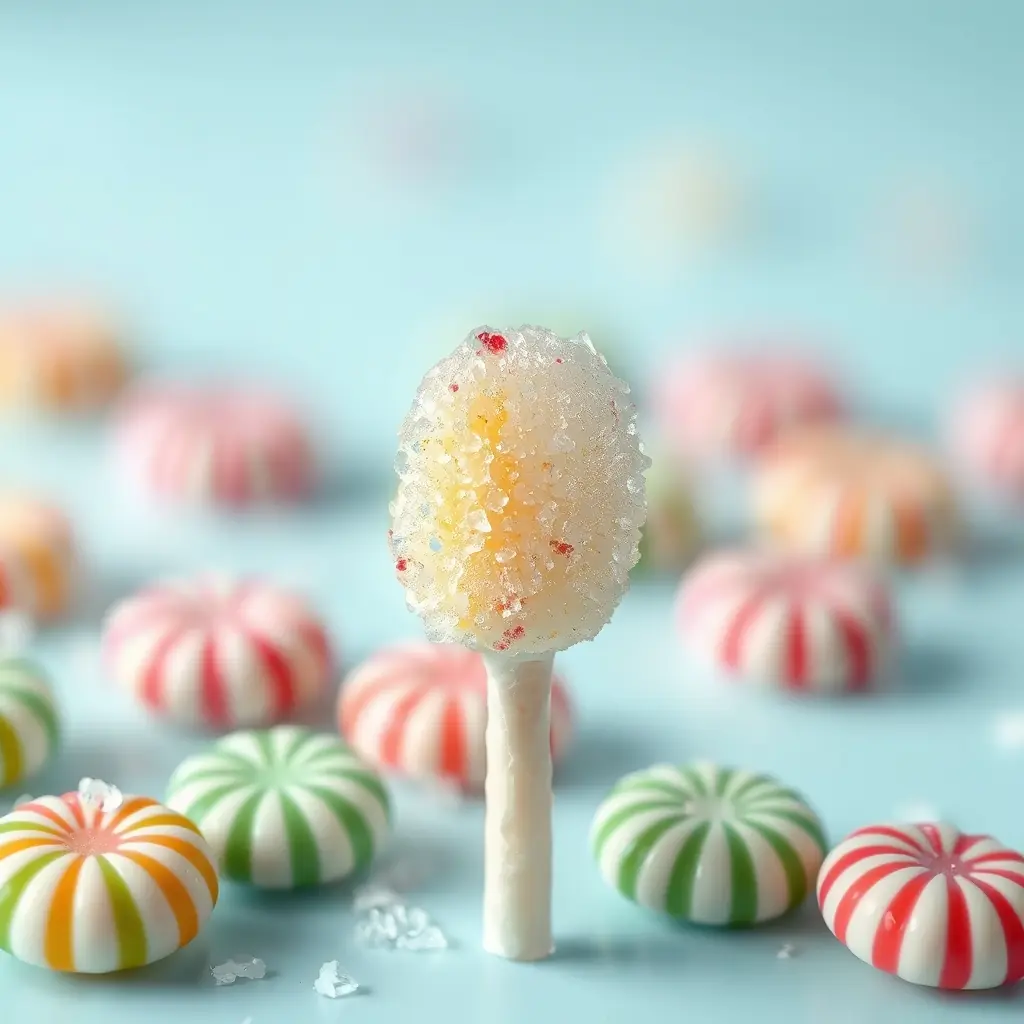
In the case of rock candy, the crystal formation process is deliberately encouraged by introducing a 'seed' crystal into the solution. This seed crystal provides a surface for other sugar molecules to attach to, allowing the crystal to grow and form a larger, more complex structure. The resulting crystals are then harvested and used to create the distinctive rock candy crystals that are so familiar to candy lovers.
Controlling Crystal Size and Shape
But crystal formation isn't just about creating large, showy crystals. In many types of candies, such as caramels and toffees, the goal is to create small, uniform crystals that give the candy a smooth, creamy texture. To achieve this, candy makers use a variety of techniques to control the size and shape of the crystals. One common method is to introduce a small amount of 'inhibitor' into the sugar solution, which helps to slow down the rate of crystal growth and prevent the formation of large crystals.
Another factor that affects crystal formation is the presence of impurities in the sugar solution. Even small amounts of impurities, such as dust or other contaminants, can disrupt the crystal formation process and lead to the creation of irregularly shaped or sized crystals. This is why candy makers often go to great lengths to ensure that their sugar solutions are as pure as possible, using techniques such as filtering and purification to remove any impurities.
Understanding the science behind crystal formation in candy making can also help to explain some of the common problems that candy makers encounter. For example, the formation of unwanted crystals in a candy mixture can lead to a grainy or gritty texture, while the failure to form crystals at all can result in a candy that is too soft or chewy. By controlling the factors that influence crystal formation, candy makers can create confections that are consistently textured and flavored.
Applying Candy Science to Real-World Confections
So how can you apply the principles of candy science to your own candy making endeavors? One way is to experiment with different types of sugars and sugar solutions to see how they affect the crystal formation process. You can also try introducing different inhibitors or impurities into the solution to see how they impact the size and shape of the crystals. By understanding the science behind crystal formation, you can create a wide range of unique and delicious confections, from traditional rock candy to innovative new candies that showcase the beauty of crystal formation.
In conclusion, the science of crystal formation in candy making is a fascinating and complex topic that underlies many of the confections we enjoy today. By understanding the principles of nucleation, crystal growth, and inhibition, candy makers can create a wide range of delicious and visually stunning candies. Whether you're a seasoned candy maker or just starting out, exploring the world of candy science can help you to take your confections to the next level and create truly unique and delicious treats.